Ready to Capture the Wild?
From expert-guided game drives to exclusive wilderness locations, every moment is designed for extraordinary wildlife encounters.

Discover the top spots to observe wild dogs in Botswana. Explore habitats, tips, and essential details for an unforgettable wildlife experience. Read more!

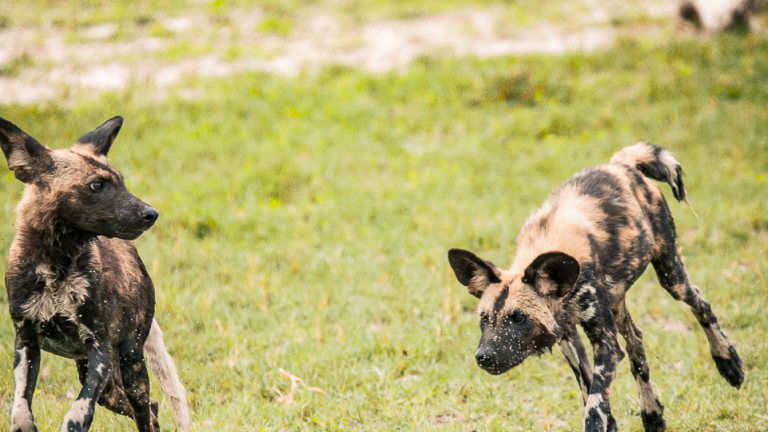
Botswana is renowned as one of the best destinations in Africa to witness the incredible African wild dogs in their natural habitat. These painted wolves, known scientifically as Lycaon pictus, derive their Latin name from the phrase ‘painted wolf,’ which refers to their distinctive mottled coat.
This remarkable animal is a highlight for wildlife safaris, captivating visitors with its unique social behavior and elusive nature. African wild dogs are among Africa’s most endangered animals, with Botswana’s wild dogs representing a significant portion of the continent’s remaining population.
In fact, Botswana is home to a third of Africa’s remaining wild dogs, and the total population of this species is estimated at fewer than a 7000 individuals across Africa. For wildlife enthusiasts and safari-goers eager to spend time observing these fascinating canines, Botswana offers unparalleled opportunities, especially in its northern regions.
African wild dogs are classified as endangered animals due to habitat loss, human-wildlife conflict, and diseases such as canine distemper. Botswana is a leading country for wild dog conservation, with its vast wilderness areas, particularly in the north, providing the large territories these animals require to thrive.
Wild dogs require large territories to thrive, which often overlap with human settlements, leading to conflicts.
The country’s commitment to conservation, including protected areas and community involvement, has created a sanctuary where wild dog packs can maintain their natural behaviour and social structures. Botswana is home to a significant population of African wild dogs, with over 700 individuals found in the country.
Northern Botswana supports large packs because of its excellent game viewing opportunities and ample prey, including impala, kudu, and lechwe.
The seasonal denning period, typically from May to October, sees wild dogs settling near dens to raise their pups, which increases the chances of sightings during this denning season. The International Union for Conservation of Nature reports that wild dogs are in a state of irreversible decline.
Human encroachment and livestock predation have led to increased mortality rates among wild dogs.
Wild dog populations are distributed across northern Botswana, with major concentrations in the Okavango Delta, Moremi Game Reserve, and private concessions like the Kwando-Linyanti area.
The best chance to see wild dogs is from May through October, coinciding with the dry season and denning months when packs are less mobile and more predictable, which is also considered the best time of year for wildlife photography in the Okavango Delta.
During pup-rearing, the entire pack cooperates in hunting and caring for the young, showcasing their social hierarchy led by an alpha male and female.
This period offers a unique glimpse into their family dynamics and hunting success rate, which is among the highest of African predators at approximately 80%.
The Okavango Delta is a world-renowned wilderness area and a stronghold for African wild dogs. This vast inland delta supports an impressive concentration of prey species, providing excellent hunting opportunities for wild dogs and exemplifying what makes the Okavango Delta a unique nature lover’s paradise.
Its mosaic of waterways, islands, and floodplains creates diverse habitats that sustain large packs. The protected status of much of the delta ensures minimal human disturbance, allowing wild dogs to exhibit their natural behaviour. The Okavango’s remote and pristine environment makes it one of the best places to see African wild dogs in Botswana.
Located within the Okavango Delta, Moremi Game Reserve is particularly famous for its outstanding game viewing and diverse ecosystems.
Areas like Xakanaxa within Moremi are hotspots for wild dog sightings due to the abundance of prey such as impala and kudu and the availability of suitable denning sites. The reserve’s combination of dense woodlands and open floodplains offers ideal terrain for wild dogs to hunt and raise their pups, while nearby Savuti within Chobe National Park stands out as a must-visit destination for wider wildlife encounters.
Moremi’s well-managed conservation efforts contribute to the thriving populations of these endangered animals.
Private concessions adjacent to Moremi and the Okavango Delta, such as the Mombo concession on Chief’s Island, offer exclusive safari experiences with unique advantages.
These concessions often allow off-road driving, enabling expert guides to track wild dog packs more closely without disturbing them. The smaller number of vehicles and personalized guiding increase the chances of intimate encounters with wild dogs in their natural habitat.
These private areas provide a luxurious and immersive African adventure, combining wildlife viewing with conservation education and allowing guests to compare luxury mobile camping and traditional safari lodges in Botswana.
The Khwai area, a prime wildlife destination within northern Botswana, borders Moremi Game Reserve and is renowned for its rich biodiversity and reliable wild dog sightings.
The Khwai community-run concession balances conservation with local community benefits, offering accessible camps such as Khwai River Lodge and Khwai Tented Camp.
This area is especially important for predator sightings and conservation efforts. Visitors can enjoy game drives and night drives that often lead to encounters with wild dogs, lions, leopards, and other predators, showcasing many of Botswana’s top predators including big cats and iconic hunters.
Although vehicle numbers can be higher here due to community access, the presence of many observers tends to increase the frequency of wild dog sightings. Ethical wildlife viewing is emphasized to protect den sites and maintain the natural behaviour of these incredible animals.
The Savuti region in Chobe National Park is famous for dramatic predator-prey interactions, making it a thrilling location to see wild dogs in action. The seasonal zebra migration and impala birthing season in early summer attract wild dogs to the floodplains, providing spectacular hunting scenes, especially for travelers planning a dedicated photographic safari in Botswana.
Savuti’s open grasslands and permanent water sources create an ideal environment for wild dogs to thrive alongside other large predators such as lions, leopards, and hyenas.
There is also the rare opportunity to spot a brown hyena, especially in areas like Makgadikgadi, which is a special highlight for wildlife enthusiasts.
The Linyanti-Kwando region encompasses vast private concessions with large territories that wild dogs favor, especially during the late dry season from August to October.
The Kwando Reserve, spanning 232,000 hectares, is a popular denning site for wild dogs and is renowned for its high predator densities. Camps like Kwando Lagoon Camp, Splash Camp, and the highly recommended Kwara Camp within the Kwando Concession offer luxury accommodations and expert guiding that enhance the chances of wild dog sightings.
Kwara Camp, in particular, is strategically located to provide excellent opportunities to see wild dogs and other predators in their natural habitat.
The area’s combination of permanent water, diverse habitats, and low visitor numbers creates a sanctuary where wild dogs can den and hunt with minimal disturbance. This region is highly regarded for its conservation efforts and exclusive safari experiences focused on predator viewing, making it a centerpiece of Northern Explore’s luxury private safari itinerary in Botswana.
African wild dogs, often called painted wolves, are among Africa’s most fascinating and intelligent predators, captivating wildlife enthusiasts with their complex social lives and remarkable adaptability, as highlighted in key African wild dog facts on population and survival strategies.
Living in tightly knit packs, these incredible animals are led by an alpha pair whose leadership ensures the group’s cohesion and success. Each pack member plays a vital role, from hunting to caring for pups, creating a highly cooperative and efficient social structure rarely seen among other predators.
One of the most impressive aspects of African wild dogs is their hunting strategy. Unlike solitary hunters, wild dogs rely on teamwork, using coordinated chases and strategic positioning to outmaneuver their prey, a behaviour explored in depth in a detailed guide to African wild dog behavior, habitat, and photography.
This cooperative approach results in a hunting success rate of up to 80% one of the highest among Africa’s large predators. Packs often target medium-sized antelope, and their stamina allows them to pursue prey over long distances across the open floodplains of the Okavango Delta, the woodlands of Moremi Game Reserve, and the grasslands of Chobe National Park.
Communication is key to the wild dogs’ success. They use a rich repertoire of vocalizations chirps, whines, and even high-pitched twittering calls to coordinate hunts, rally the pack, and care for their young.
Scent marking and body language further strengthen pack bonds and help maintain order within the group. Observing these interactions in the wild, especially during the dry season when packs are more visible near water sources like the Khwai River, is a highlight for any African safari.
Despite their adaptability, African wild dogs face significant threats. Diseases such as canine distemper, habitat loss, and conflict with humans have led to their endangered status.
Conservation efforts in Botswana, including the protection of key habitats like the Okavango Delta and the establishment of community-run reserves, are crucial for their future survival.
Camps such as Kwando Lagoon Camp and Khwai River Lodge offer wildlife enthusiasts the chance to witness wild dog behavior up close, while supporting ongoing conservation initiatives.
For those seeking unforgettable wild dog sightings, Botswana’s national parks and private concessions provide some of the best opportunities in southern Africa.
The dry season, when prey is concentrated and packs are raising pups, is especially rewarding for game viewing.
Whether watching a pack on the hunt or observing their playful interactions at a den, spending time with wild dogs in Botswana is a truly unique African adventure one that underscores the importance of protecting these remarkable animals and their natural habitat for generations to come.
Beyond Botswana, Mana Pools National Park in Zimbabwe is a notable destination for wild dog sightings, with camps like Stretch Ferreira Safaris Camp offering authentic experiences.
Tanzania’s Nyerere National Park also boasts significant wild dog populations, and the southern Serengeti, including Alex Walker’s Serian Camp, provides seasonal sightings in northern Tanzania.
Comparing these regions, Botswana stands out as a leading country for wild dog safaris due to its extensive protected areas, high predator densities, and community conservation initiatives. Its appeal is further enhanced by its accessibility and proximity to major attractions such as Victoria Falls, making it a preferred choice for safaris focused on wild dogs.
When encountering African wild dogs, it is essential to maintain a respectful distance to avoid disturbing their natural behaviour.
Visitors should never approach or block den exits and should limit the use of flash photography and loud noises. Experienced guides with local knowledge play a crucial role in ensuring ethical wildlife viewing that supports the future survival of these incredible animals.
For wildlife enthusiasts eager to experience and photograph African wild dogs also known as painted wolves (Lycaon pictus) due to their distinctive mottled coat pattern in their natural habitat, planning a dedicated safari trip with a well-structured itinerary can greatly enhance the chances of unforgettable sightings.
Two exemplary safari operators, Northern Explore and Delta Miracle Safari, offer expertly crafted journeys that combine exceptional game viewing with immersive African adventures centered around wild dogs in Botswana.
Northern Explore specializes in intimate safaris across northern Botswana’s predator-rich regions, including the Okavango Delta, Moremi Game Reserve, and private concessions like Mombo.
Their 7-day Wild Dog Safari itinerary is designed for travelers who want to spend quality time following packs of Botswana’s wild dogs, learning about their social behaviors, denning habits, and hunting strategies.
The itinerary typically begins with arrival in Maun, followed by a transfer to a private concession such as Mombo Camp, renowned for its high density of predators. Guests embark on daily game drives led by expert guides and trackers skilled at locating wild dog packs.
Off-road driving privileges within private concessions allow closer, less intrusive tracking of these incredible animals, increasing the chances of witnessing their natural behaviour during hunts or at den sites.
Northern Explore emphasizes early morning and late afternoon drives to catch Botswana’s wild dogs during their most active periods.
Night drives are also offered where permitted, providing opportunities to observe nocturnal activity. The itinerary often includes visits to the Khwai River area and the Kwando-Linyanti region during the dry season (May to October), when wild dogs are more visible due to concentrated water sources and prey availability.
Accommodations range from luxury tented camps to more rustic lodges, all situated to maximize wildlife viewing.
Northern Explore’s guides also provide insightful commentary on conservation challenges facing Botswana’s wild dogs, including threats like canine distemper and habitat fragmentation, enhancing guests’ understanding of the species’ future survival and the importance of responsible viewing practices.
Delta Miracle Safari offers a specialized photographic safari that caters to wildlife photographers and nature lovers aiming to capture stunning images of African wild dogs in the wild, aligning closely with guidance on how to plan a photographic safari for stunning shots.
Their 10-day itinerary combines time in the Okavango Delta and Moremi Game Reserve, with stays at camps such as Khwai River Lodge and Splash Camp, both known for frequent wild dog sightings.
The photographic safari focuses on maximizing light conditions and positioning for the best shots, with expert guides assisting in tracking wild dog packs and anticipating their movements.
Early morning and late afternoon game drives are scheduled to take advantage of the golden hours, while off-road access in private concessions allows photographers to follow packs without disturbing their natural behaviour.
Wild dogs are a favorite subject for photographers due to their striking appearance their coat features patches of different colors, including yellow fur, which makes them visually distinctive and easy to identify in the field, especially when applying specialized wildlife photography tips for Botswana.
Delta Miracle Safari’s itinerary also incorporates visits during the denning season, when pups are raised in hidden dens and the pack’s social dynamics are especially captivating for photographers.
The inclusion of night drives offers unique photographic opportunities of wild dogs’ nocturnal activities.
Guests stay in comfortable camps with photographic facilities and support, including charging stations and dedicated vehicle space for camera gear.
The safari also provides education on ethical wildlife photography practices to ensure respect for the animals and their environment.
Travelers seeking a comprehensive African adventure can combine elements from both Northern Explore’s immersive wild dog experience and Delta Miracle Safari’s photographic itinerary, effectively creating a tailored photo safari to capture Botswana’s pristine landscapes.
This approach offers a balance of in-depth wildlife observation, conservation education, and exceptional photographic opportunities across Botswana’s prime wild dog habitats.
Whether focusing on the thrill of tracking packs across vast private concessions or capturing the painted wolf’s striking coat and dynamic behaviour on camera, these itineraries provide the best chance to see wild dogs in Botswana while supporting responsible and ethical wildlife tourism, especially for guests inspired by broader adventures in planning immersive photographic safaris.
Booking guides with proven wild dog experience is vital. Combining river safaris with vehicle game drives allows for diverse wildlife encounters, and resources like frequently asked questions about Okavango Delta safaris can help travelers fine-tune the details.
Understanding permit rules for private concession off-roading can enhance tracking opportunities. Planning visits during the denning season increases the likelihood of observing packs with pups.
Supporting anti-poaching initiatives and disease-control programs is critical for wild dog conservation, as is choosing experiences such as mobile safaris that camp under the African sky which prioritize low-impact travel.
Donating to reputable African wild dog organizations and choosing eco-conscious operators and lodges contribute to the species’ future survival, especially when partnering with operators offering Botswana photographic safaris showcasing its natural beauty.
By participating in responsible tourism, visitors help protect Botswana’s wild dogs and their natural habitat for generations to come.
The optimal time to observe African wild dogs in Botswana is during the dry season, which spans from May to October. Sightings peak during the denning season, typically between June and September, when packs remain closer to their dens, making their movements more predictable and increasing the chances of encounters.
Wild dogs are predominantly found in northern Botswana. Key locations include the Okavango Delta, Moremi Game Reserve, the Khwai River area, private concessions such as Mombo and Kwando-Linyanti, and the Savuti region within Chobe National Park. These areas offer abundant prey and suitable habitats for wild dog packs to thrive.
While Botswana is one of the best places to see wild dogs, sightings cannot be guaranteed due to their elusive and wide-ranging nature. However, joining guided tours led by experienced trackers and planning visits during the denning season significantly improve the likelihood of encountering these fascinating animals.
African wild dogs communicate through a rich array of vocalizations, including bird-like chirps, clicks, and high-pitched twittering calls. They also use scent marking and body language to coordinate hunting strategies, maintain pack hierarchy, and strengthen social bonds within the group.
African wild dogs face several threats, including habitat fragmentation, human-wildlife conflict, and diseases such as canine distemper. Additionally, predation by larger carnivores poses risks, especially to pups. Conservation initiatives in Botswana focus on protecting habitats, reducing conflicts, and promoting disease control to ensure the survival of this endangered species.