Ready to Capture the Wild?
From expert-guided game drives to exclusive wilderness locations, every moment is designed for extraordinary wildlife encounters.

Discover the Cape buffalo, one of Africa’s iconic Big Five animals. Learn about its diet, habitat, herd behavior, predators, reproduction and where to see Cape buffalo in Botswana.

The Cape buffalo (Syncerus caffer caffer), a subspecies of the African buffalo, is one of the most iconic and formidable animals of the African wilderness. This blog aims to provide an in-depth understanding of Cape Buffalo: Natural History, Threats, and Where To See
The Cape buffalo (Syncerus caffer caffer), a subspecies of the African buffalo, is one of the most iconic and formidable animals of the African wilderness. This blog aims to provide an in-depth understanding of the Cape buffalo’s natural history, behavior, threats it faces, and the best places to observe it in its natural habitat.
Whether you are a wildlife enthusiast, conservationist, or planning an African safari, this guide will offer valuable insights into this magnificent species and its role in Africa’s ecosystems.
The African buffalo, scientifically known as Syncerus caffer, comprises four distinct subspecies: the Cape buffalo (southern savanna buffalo), the West African savanna buffalo, the Central African buffalo, and the smaller forest buffalo (also called the dwarf buffalo).

The Cape buffalo is the largest and most widespread subspecies, predominantly found in southern and east Africa. Classified as Near Threatened by the IUCN, the African buffalo population has experienced fluctuations due to disease outbreaks, habitat loss, and hunting pressures.
As one of the Big Five game animals, the Cape buffalo holds significant ecological, cultural, and economic importance across its range.
African buffaloes exhibit sexual dimorphism, with large males typically weighing between 425 and 870 kilograms, while females (cows) are somewhat smaller.
A defining characteristic of Cape buffalo bulls is their massive, ridged horns that grow straight out from the head before they curve downward and then upward, with the bases fusing to form a thick, protective boss. These formidable weapons are used in dominance battles and defense against predators. Cows also possess horns, though theirs are typically thinner and less pronounced than those of bulls.
Cape buffalo have a wide row of incisor teeth, an adaptation that allows them to graze efficiently on tough African grasses. Compared to water buffalo, Cape buffalo are stockier and more powerfully built, while water buffalo are taller and have a less compact frame. The horns of Cape buffalo curve down and then back up, forming a fused boss, whereas water buffalo have long, crescent-shaped horns that do not fuse.
The four recognized subspecies vary in size, habitat, and appearance:
Cape buffaloes are highly social animals, living in large herds composed mainly of related females and their offspring, with a linear dominance hierarchy. As young males mature, they leave the main herd around two years old to join bachelor groups—male-only herds formed during the dry season.
These bachelor groups can include both younger and older males, with older males sometimes remaining solitary or in these groups. Males may rejoin female herds in the wet season to mate.

Living in large herds provides safety in numbers, making it difficult for predators to single out individuals, especially coordinated hunters such as African wild dogs. Cape buffaloes also engage in communal decision-making during resting periods, where they ‘vote’ on the direction to move.
The herd’s social structure includes older bulls, subordinate males, and dominant bulls, all interacting within complex social dynamics.
Defensive mobbing behavior is common; when threatened by predators such as lions, buffaloes cluster tightly, placing young calves in the center for protection. They are known to aggressively defend themselves, sometimes killing lions and chasing them away. Vocalizations vary from low-pitched calls to warning grunts, serving as communication within the herd.
Mating in Cape buffaloes occurs primarily during the rainy season, ensuring that calves are born when food and water are abundant. The gestation period lasts approximately 11.5 months, with birth peaks early in the rainy season.
Newborn calves remain hidden in dense vegetation for the first few weeks, protected by their mothers and the herd.
Cows play a crucial role in herd dynamics, displaying strong maternal behavior and actively participating in defending calves from predators alongside other members of the herd.
The maternal bond is strong and lasts until a new calf is born, after which older offspring are gradually pushed away. Young calves nurse from behind their mothers, an unusual behavior among bovids.
African buffaloes inhabit a wide range across sub-Saharan Africa, from the semi-arid bushland and coastal savannas of southern Africa to the lowland rainforests of central and west Africa.
They require habitats with dense cover such as reeds, thickets, and woodlands and depend on perennial water sources for daily drinking, particularly in vast wetland systems like the Okavango Delta in Botswana.
Habitat fragmentation caused by human development and land-use changes threatens buffalo populations by isolating herds and reducing available grazing areas.
This fragmentation increases human-wildlife conflicts, especially where buffaloes break fences and raid crops.
Top countries for observing Cape buffalo include South Africa, Botswana, Tanzania, Zambia, and Zimbabwe.
Renowned national parks such as Kruger National Park, Chobe National Park, Ngorongoro Conservation Area, and Lower Zambezi National Park offer excellent opportunities to see large herds in the wild. The dry season often provides the best viewing conditions as animals congregate near water sources.

Guided safaris with experienced professional hunters and wildlife guides enhance the safari experience, providing safety and deeper understanding of buffalo behavior.
Botswana hosts significant populations of Cape buffalo, primarily within protected areas like Chobe National Park and the Okavango Delta. These habitats provide a mix of floodplains, woodlands, and grasslands that offer abundant grazing and reliable water sources year-round, making the country ideal for a dedicated photographic safari in Botswana.
The seasonal flooding of the Okavango Delta creates a dynamic environment that supports large herds of buffalo alongside other large herbivores. Conservation efforts in Botswana focus on maintaining these natural habitats and mitigating human-wildlife conflicts, especially around agricultural zones where buffaloes may occasionally break fences or raid crops.
Zimbabwe is home to robust populations of Cape buffalo, particularly within Hwange National Park and Gonarezhou National Park.
These protected areas provide diverse habitats ranging from open savannas to dense woodlands, offering ample grazing and reliable water sources, and they also support many of southern Africa’s top predators in Botswana and the wider region.
Zimbabwe’s buffalo herds are known for their size and vitality, contributing significantly to the country’s wildlife tourism industry. Conservation efforts focus on mitigating human-wildlife conflicts and controlling diseases that threaten buffalo populations, ensuring the sustainability of these iconic herds.
South Africa is home to some of the largest and best-managed Cape buffalo populations, particularly in Kruger National Park and Limpopo Province, where they coexist with Africa’s iconic big cats such as lions, leopards, and cheetahs.
Disease-free herds have been established through rigorous management, allowing for regulated trophy hunting that supports conservation funding and local economies.
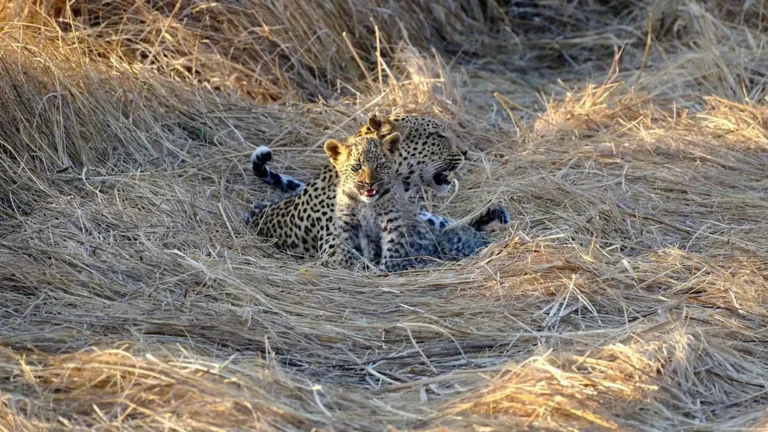
In East Africa, key protected areas such as Serengeti National Park and Ngorongoro Conservation Area support healthy buffalo populations, alongside predators like the African leopard that play a critical role in these ecosystems.
However, pressures from habitat loss and poaching persist. Human-wildlife conflict hotspots often arise near agricultural lands.
African buffalo populations have been severely affected by diseases such as bovine tuberculosis, foot-and-mouth disease, and the historic rinderpest epidemic of the 1890s, which caused mortalities as high as 95% in some areas.
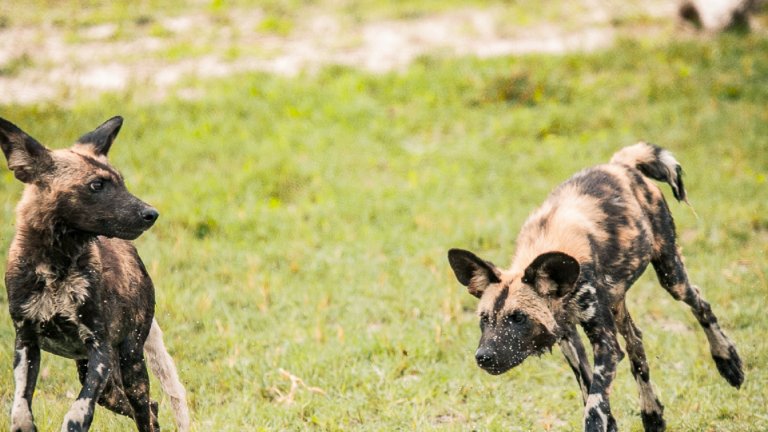
The nickname “Black Death” reflects the Cape buffalo’s dangerous reputation among big game hunters and local communities alike. Cape buffaloes are often regarded as one of the most dangerous animals in Africa due to their aggressive nature and ability to kill predators like lions or cheetahs, much as endangered African wild dogs rely on complex survival strategies to cope with similar ecological pressures.
They are also known for their exceptional memory, which can lead to aggressive encounters with humans who have previously disturbed them.
Buffaloes also contribute to the transmission of diseases to domestic cattle, complicating livestock management and conservation efforts. Crop raiding and fence breaking further exacerbate human-wildlife conflicts, putting humans at risk during dangerous encounters with Cape buffalo.
The Cape buffalo is often confused with the Asian water buffalo (Bubalus bubalis), but the two species differ significantly. Cape buffalo have never been domesticated due to their unpredictable temperament, while water buffalo have been domesticated for over 5,000 years and are often used as draught animals in agriculture.
Cape buffalo are native to Sub-Saharan Africa, while water buffalo are native to Asia.
The water buffalo is domesticated, larger in size, and adapted to semi-aquatic habitats, whereas the Cape buffalo remains wild, stocky, and is found exclusively in Africa.
Cape buffalo are wild and not used for farming, in contrast to water buffalo. Both Cape buffalo and water buffalo are herbivores, but they inhabit different ecosystems and have different feeding behaviors.
Cape buffalo feed primarily on tall grasses and require daily access to water. In the context of hunting and safari cuisine, meat from Cape buffalo and other species is sometimes served, highlighting the role of game meat in local traditions.
Unlike American bison, which are sometimes colloquially called buffalo, Cape buffalo belong to the family Bovidae and cannot hybridize with domestic cattle due to differing chromosome numbers.
Conservation strategies focus on protecting large, connected habitats and establishing wildlife corridors to counter habitat fragmentation.

Disease surveillance, quarantine measures, and community-based conflict mitigation programs are essential to maintaining healthy buffalo populations. Monitoring and population assessments guide adaptive management efforts.
Photographing Cape buffalo on a mobile photographic safari can be a thrilling experience, but it requires some specific techniques to capture these powerful animals effectively, especially if you are planning a broader photographic safari that includes other iconic species. Here are tailored tips to help you get the best shots of Cape buffalo using your mobile device:

By focusing on these Cape buffalo-specific tips, you can create striking and respectful images that showcase the power and social nature of these remarkable African herbivores during your mobile photographic safari, or on a dedicated photo safari in Botswana that targets prime wildlife areas.
Regulated hunting of Cape buffalo plays a controversial but significant role in local economies, funding conservation and community development. Ethical hunting practices emphasize fair chase, respect for animal welfare, and sustainable quotas.
Alternatives such as photographic tourism are increasingly promoted to balance economic benefits with conservation goals, and travelers interested in such experiences can book a safari with specialist operators who prioritize conservation and community support.
For more detailed information, consult the IUCN Red List assessment for Syncerus caffer and scientific reviews on African buffalo ecology and conservation. Field guides and reputable safari operator websites also provide valuable resources for enthusiasts and travelers.
This detailed overview highlights the complexity and importance of the Cape buffalo within Africa’s ecosystems and human societies. Understanding and supporting conservation efforts ensures that future generations can continue to experience the awe-inspiring presence of this remarkable species on the African savanna.
Bachelor herds are groups of male Cape buffalo that leave the main female herds around two years of age. These all-male groups form primarily during the dry season and consist of younger and older males who live separately from the female herds until the mating season.
Males leave the main female herds to join bachelor herds as they mature. This separation reduces competition within the female herds and allows males to develop strength and dominance before rejoining female herds during the mating season.
The Cape buffalo is classified as Near Threatened by the IUCN, with population numbers estimated around 400,000 individuals. Populations fluctuate due to factors like disease outbreaks, habitat loss, and hunting pressures.