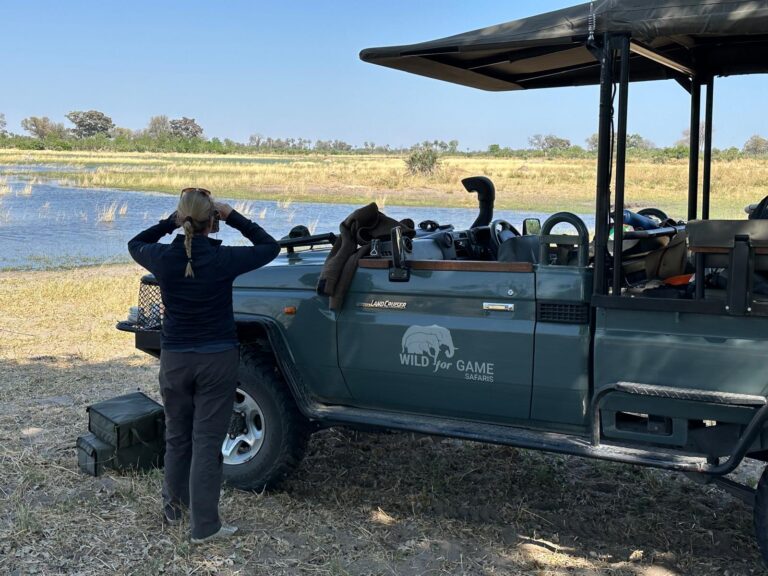
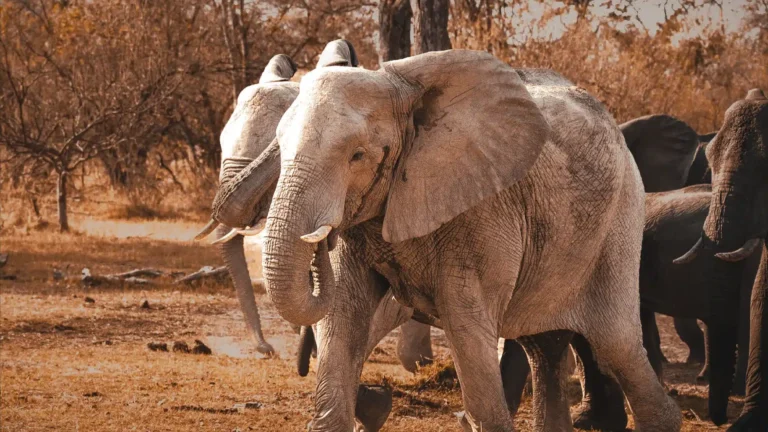
Ready to Capture the Wild?
From expert-guided game drives to exclusive wilderness locations, every moment is designed for extraordinary wildlife encounters.

Discover what makes Wild For Game Safaris different. Our Botswana photo safaris are designed around photographers, with expert guiding, patient game viewing, strategic positioning, mobile camping and more time in the field.

A great photo safari is not just a safari with a camera in your hand.
It is a journey designed around light, patience, space, timing, and trust. It is about being in the right place before the moment happens. It is about having a guide who understands animal behavior, a vehicle positioned for the shot, and enough time at a sighting to let the story unfold naturally.
This is the vision behind Wild for Game Safaris.
Founded around the belief that wildlife photographers need more than a general safari, Wild for Game Safaris has built its mobile camping operation around the creative and technical realities of photography in the wild. The experience is shaped for guests who want clear angles, golden-hour opportunities, patient guiding, fewer crowds, and a deeper connection to Botswana’s wilderness.
Unlike generic safari operators, Wild for Game does not treat photography as an add-on. It is central to the way the safari is planned, guided, and experienced.
Wild for Game Safaris was created with a clear vision: to offer a Botswana safari experience shaped around the needs of serious wildlife photographers, not simply around a standard travel itinerary, guided by founder Lucas Tshupo and his team of experienced professionals.
The founder’s vision is rooted in the belief that a great photo safari must give guests more than access to wildlife. It must give them time, space, patience, expert guiding, and the right conditions to create meaningful, stunning images.
Every part of the Wild for Game experience reflects that philosophy, from the mobile camp setup to the slow safari approach, the choice of wilderness areas, and the way guides position the vehicle for light, behavior, and composition.
The goal is not to rush guests from one sighting to the next. It is to help photographers understand the rhythm of the African bush, wait for the right moment, and experience Botswana in a way that feels personal, quiet, and deeply connected to the wild.
That founder-led vision is still at the heart of the brand today: a safari should not be built around convenience alone. It should be built around the image, the experience, and the story the guest takes home.
Many safari operators welcome photographers. Wild for Game Safaris goes further by building the safari experience around photography itself.
Wildlife photography requires more than just photographing animals. It requires patience, anticipation, and an understanding of light, behavior, background, and composition. The right moment may happen seconds after everyone else is ready to move on. The best frame may depend on shifting the vehicle just a few meters. A powerful image may come from waiting quietly while an animal relaxes, moves, interacts, hunts, crosses water, or steps into clean light.
Wild for Game Safaris recognizes that photographers do not simply want to see wildlife. They want the time, space, and positioning to photograph wildlife well.
That means the safari rhythm is intentionally slower, more patient, and more focused. Instead of rushing from one sighting to the next, the experience gives photographers room to work a scene properly while building wildlife photography skills in Botswana’s ecosystems.
In wildlife photography, light is everything.
The soft glow of dawn, the warmth of late afternoon, the drama of backlighting, the contrast of stormy skies, and dramatic sunsets can transform a simple sighting into a memorable image. Wild for Game Safaris places strong emphasis on being in the field during the most productive hours of the day, especially early morning and late afternoon.
This matters because the best wildlife photographs are rarely created by accident, and understanding what a dedicated photo safari experience entails from planning to shooting can dramatically improve results. They often come from guides who understand how animals move, how the light is changing, and where the vehicle needs to be before the moment unfolds.
The goal is not only to find the subject. The goal is to place the photographer in the best possible position for a clean, compelling frame.
That includes anticipating animal movement before it happens, positioning for golden-hour light, creating clear angles without visual clutter, allowing time for behavior to develop, avoiding rushed or obstructed sightings, and staying with promising scenes long enough for the image to emerge.
For photographers, this approach can make the difference between a record shot and a dedicated photo safari experience in Botswana’s pristine landscapes worthy of a portfolio image.
One of the strongest reasons to choose Wild for Game Safaris is the slow safari mindset.
A standard safari may prioritize variety: see as many species as possible, move quickly, tick off the highlights, and return to camp, rather than following the advice in a dedicated guide to planning a photographic safari in Botswana. That can be enjoyable, but it is not always ideal for photography.
Wildlife photography rewards patience.
A lion resting in the shade may eventually rise and walk into warm light. Elephants at a distance may slowly approach a crossing point. Wild dogs may begin to interact, stretch, play, or prepare to hunt. A leopard hidden in branches may shift into an open frame.
These moments cannot be forced, and they are easy to miss when the safari is rushed.
Wild for Game Safaris gives photographers time to wait.
That patience allows guests to observe wildlife behaviour more deeply and capture images with more atmosphere, emotion, storytelling power, and intimate moments. Instead of chasing constant movement, the safari becomes about reading the bush, trusting the guide, and staying ready for the right moment.
One of the major frustrations for photographers in busy safari areas is vehicle crowding.
Even when the wildlife sighting is extraordinary, the photographic experience can be compromised by too many vehicles, blocked angles, engine noise, dust, and limited freedom to reposition. A scene that should feel wild can quickly become crowded and difficult to photograph cleanly.
Wild for Game Safaris operates in Botswana, including areas connected to some of Africa’s most celebrated photographic ecosystems, such as the Okavango Delta, Moremi, Khwai, and Savuti.
Botswana is known for a lower-density safari model in many of its prime wilderness areas. This supports sustainable tourism through a more low-impact travel approach and can create a more intimate, less crowded photographic experience compared with heavily trafficked parks elsewhere.
For photographers, fewer vehicles can mean cleaner backgrounds, more natural wildlife behavior, better vehicle positioning, fewer distractions in the frame, more peaceful time at sightings, and a stronger sense of wilderness. That advantage is strengthened by the smaller group sizes typical of wildlife photography safaris, which often allow better access at key sightings.
When you are trying to photograph African wild dogs, leopards, elephants, lions, bird species, or dramatic landscapes, space matters. A clean frame matters. Silence and patience matter.
Wild for Game Safaris’ approach gives photographers a better chance to experience sightings without the pressure and visual clutter of crowded safari circuits, especially in renowned wildlife regions such as Chobe National Park and the Savuti Marsh.
A mobile safari offers something a fixed lodge cannot always provide: movement with purpose.
Instead of returning each day to one permanent base, Wild for Game Safaris uses a mobile tented camp system that allows the safari to follow strategic routes through Botswana’s wildlife-rich regions.
This is especially valuable for photography because wildlife movement changes with water, season, weather, prey activity, and habitat. A flexible mobile circuit can keep guests closer to the action and reduce unnecessary travel back and forth from a fixed lodge.
Wild for Game Safaris’ mobile approach may include areas such as the Okavango Delta, a UNESCO World Heritage Site, Moremi, Khwai Concession, and Savuti, similar to the Northern Explore private safari itinerary through these regions.
Each of these areas offers different photographic possibilities across diverse habitats. Floodplains, channels, woodland, open grassland, predator territories, elephant movement corridors, birdlife, and changing seasonal conditions all contribute to a rich photographic journey.
For photographers, the benefit is clear: more time in productive areas and less time commuting away from them, supporting a stronger wildlife experience.
Wild for Game Safaris’ mobile camp model is one of its most important differentiators.
A mobile camp places guests closer to the wilderness experience. Rather than being tied to a fixed lodge that may sit far from the day’s best photographic opportunities, the camp can relocate during the trip to support the route and seasonal movement of wildlife.
This creates a more immersive safari rhythm.
You wake up in the bush. You leave early. You follow the light. You stay out through the day when the photographic opportunity calls for it. You return to a camp that has been set up to support both comfort and practicality.
For photographers, this reduces wasted time and keeps the focus where it belongs: in the field.
A serious photo safari does not need to feel overly polished or disconnected from nature. At the same time, photographers need practical comfort, reliable support, and space to manage gear.
Wild for Game Safaris balances rugged wilderness immersion with essential camp comfort, offering a style of travel that highlights the advantages of luxury mobile camping compared with traditional safari lodges.
The mobile tented setup includes large tents, private en-suite bathrooms, charging support for camera equipment, and fresh meals in camp. This allows guests to stay deeply connected to the bush while still having the essentials required for a productive photographic trip, many of which are explained in detail in the safari frequently asked questions about comfort, logistics, and timing.
This matters because photography gear needs care. Batteries need charging. Memory cards need managing. Cameras and versatile camera lenses for diverse wildlife photography need space, and guests benefit from knowing what to bring for a mobile photographic safari. Photographers need rest, good food, and a camp rhythm that supports long days in the field.
Wild for Game Safaris understands that the camp experience is part of the photographic workflow. Sturdy camera mounts or a bean bag also help maintain stability in the field.
A Wild for Game Safaris experience is also shaped by what it removes.
Being in a remote mobile camp with limited outside distraction allows guests to be fully present in the safari. Instead of constant notifications, crowded lodge schedules, or unnecessary interruptions, the focus returns to wildlife, light, landscape, and the experience of being in Botswana.
For photographers, that presence is valuable.
The best images often come when you are tuned in: watching body language, noticing small changes, reading the guide’s cues, and staying patient through quiet moments, which also sharpens photography skills through deeper observation. A mobile photo safari encourages that deeper attention, and many guests arrive having read planning tips and field insights from the Wild for Game Safaris blog.
It is not only about taking photos. It is also about learning to see more intentionally.
A photographic safari depends heavily on the safari guide.
A great guide does more than locate wildlife. They understand how photographers think. They know when to move, when to wait, when to reposition, and when to let a scene unfold naturally.
Guides such as Max and Lucas are praised for their ability to anticipate animal behavior and position the vehicle with the frame in mind, acting as a professional photographer’s ally in the field. This kind of guiding is especially important during fast-changing moments: predators on the move, elephants approaching water, birds lifting into flight, or animals crossing through dramatic light.
The guide’s decisions directly affect the images guests are able to make.
Good photographic guiding considers the direction and quality of light, background and foreground, vehicle angle, animal comfort, guest lens choice, shooting style, and the timing of movement.
For photographers, this level of awareness is not a luxury. It is the foundation of a successful photo safari.
Botswana is one of Africa’s most rewarding destinations for wildlife photography. It is also home to the Big Five: lions, leopards, elephants, buffalo, and rhinos. Chobe National Park spans about 4,500 square miles and is famous for its massive elephant populations.
Its landscapes are diverse, seasonal, and dramatic. The Okavango Delta brings water, reflections, channels, floodplains, birds, and soft atmospheric light. Moremi offers a rich mix of habitats and wildlife encounters. Khwai is known for strong wildlife viewing and a private-concession feel in many safari experiences. Savuti brings a wilder, more rugged character, with powerful predator and elephant photography potential, and Linyanti Wildlife Reserve is known for large herds of elephants. Together with Chobe and the Delta, these are among southern africa’s iconic predator-rich photo safari destinations.
Together, these regions create a varied photographic portfolio with diverse wildlife across each area.
A Botswana photo safari can offer elephants in large herds, predators such as lions, leopards, and wild dogs, bird life and water-based compositions, dramatic seasonal skies, golden grasslands, woodland textures, reflections, dust, silhouettes, and backlit scenes, along with unique wildlife found across the country. For a more remote option, the Central Kalahari Game Reserve offers pristine wilderness, vast open landscapes, and desert-adapted wildlife such as brown hyenas.
Wild for Game Safaris’ mobile approach helps connect these ecosystems into one intentional photographic journey.
The best time for a Botswana photo safari depends on the kind of images you want to create, and timing affects both creative results and cost, since a week’s photographic safari often costs $5,000 to $10,000 depending on destination and time of year, especially in seasonally dynamic areas like the Okavango Delta where timing is critical for wildlife photography. An 8-day trip to Kenya can cost around $10,000, while a 6-night South Africa photo safari often runs $7,500 to $8,500.
The dry season, usually from July to October, is often associated with strong wildlife concentration as animals congregate around water sources. This can be an excellent period for photographers interested in elephants, predators, dust, action, and classic dry-season safari atmosphere.
The green season, usually from November to April, offers a different kind of beauty. This period can bring dramatic skies, richer color, lush backdrops, migratory birds, and baby animals. For photographers who love mood, weather, texture, and atmosphere, the green season can be especially rewarding. During this rainy period, a Chobe safari can cost around $2,500 per person.
Both seasons have value. The right choice depends on your photographic goals.
If you want intensity, concentration, and classic dry-season drama, the dry season may be ideal. If you want color, clouds, young wildlife, and a softer seasonal mood, the green season offers powerful creative potential. Different trip styles shape that decision too, and species-specific photo safaris focus on photographing one animal type. Some travelers also choose conservation photography safaris or marine photo safaris, which focus on underwater ecosystems and coastal wildlife and follow very different seasonal patterns and photographic goals.
Wild for Game Safaris is especially well suited to travelers who care deeply about photography and wilderness immersion, including non-photographers who still want an exceptional wildlife experience.
It is a strong fit for wildlife photographers who want more than a general safari, travelers who value privacy and patience, guests who want to spend full days in the bush, photographers who prefer natural behavior over rushed sightings, visitors looking for a mobile safari experience in Botswana, and travelers who want comfort without losing the feeling of being truly wild.
It may not be the right fit for someone who wants a conventional lodge-based holiday with short game drives, constant connectivity, and a more resort-style experience.
Wild for Game Safaris is for people who want an African safari that keeps them in the field, close to the rhythm of the bush, and ready when the light changes.
The difference is not one single feature. It is what the whole photo safari offers when every part of the journey is built around making the experience more meaningful through photography.
Wild for Game Safaris combines photographic guiding, mobile camping, strategic routing, patience at sightings, reduced crowding, and Botswana’s extraordinary wilderness areas into one focused experience built for stronger landscape photography as well as wildlife images.
That combination gives photographers what they need most: more time in the right places, better positioning for light and composition, less crowding at sightings, a deeper connection to wildlife behavior, practical support for camera gear, a mobile camp that follows the journey, and guides who understand photography as part of the safari.
For a photographer, these details are not small. They shape the entire trip.
At the heart of Wild for Game Safaris is a simple but powerful idea: the best safari experiences are not rushed. They are felt, observed, and carefully timed.
The founder’s vision is to create photo safaris where guests have the freedom to slow down, follow the light, and experience Botswana through a wildlife photographer’s eye. That means fewer distractions, better positioning, more time in the field, and a mobile camp system that keeps the journey close to the wildlife.
This vision is what gives Wild for Game its character. It is not just about seeing animals. It is about understanding the scene, respecting the wilderness, and giving each photographer the best possible chance to capture images with atmosphere, emotion, and story.
For travelers who want a safari built around photography, patience, and authentic wilderness, Wild for Game Safaris offers something rare: a safari experience designed from the ground up for the image you came to create, which is exactly what many travelers seek in African photo safaris.
If you are dreaming of photographing Botswana’s wildlife from the right angle, in the right light, with the space and patience to do it properly, we offer a Botswana safari built for wildlife photography and stronger photographic opportunities.
Whether you are hoping to photograph elephants, predators, wild dogs, leopards, birds, landscapes, or the quiet moments between the action, the team can help shape a mobile safari experience around your photographic interests, including a particular species when that matches your goals.
Bring your camera. Bring your patience. Bring your love for wild places.
You can also expect practical photography tips in the field.
Wild for Game Safaris will help put you where the story begins.