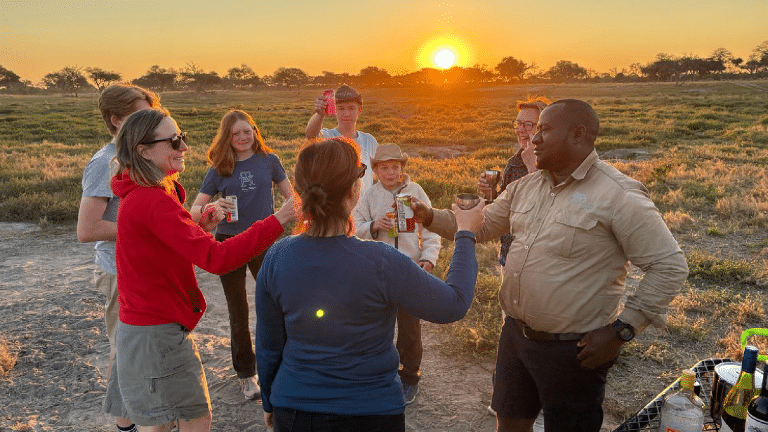
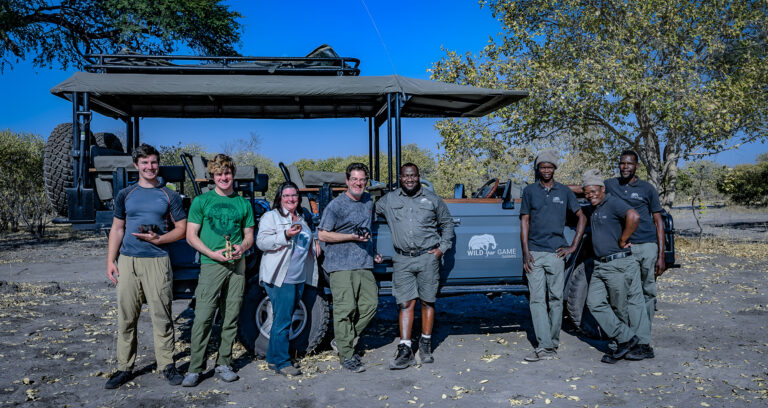
Ready to Capture the Wild?
From expert-guided game drives to exclusive wilderness locations, every moment is designed for extraordinary wildlife encounters.

Planning a Botswana safari? Explore the real numbers, regional differences, and what influences costs to optimize your 2027 adventure.

Botswana has earned its reputation as one of the most exclusive safari destinations in Africa and the pricing reflects that positioning.
If you’re researching the cost of a Botswana safari for 2026, you’ll find that even entry-level options run higher than comparable experiences in Kenya, Tanzania, or South Africa.
But understanding exactly what drives these prices can help you design a trip that delivers exceptional wildlife viewing without unnecessary overspend.
This guide breaks down the real numbers: what you’ll pay across different comfort levels, how seasonality shifts the equation, and which cost levers actually matter when building your itinerary.
Botswana safari prices rank among the highest in Africa, with 2026 averages spanning a wide range based on comfort level and timing.
Basic group camping starts around $300 per person per day, mid range mobile safaris average approximately $650, and luxury safari lodges command $1,300 or more per person per day during peak season. At the ultra-premium end, exclusive lodges in private concessions can reach $7,000 per person per night.
Most Botswana safaris are sold as all-inclusive packages covering meals, game drives, park fees, and many activities. However, these packages typically exclude international flights, visas, travel insurance, premium alcoholic drinks, and discretionary extras like helicopter flights or hot air ballooning.
The gap between “included” and “actual total cost” can run 15-25% higher than the quoted safari price.
Costs vary most dramatically by three factors: season (green versus shoulder versus peak), accommodation type (mobile camps versus permanent lodges, private conservancies versus national parks), and transport mode (fly in safaris versus road transfers).
The Okavango Delta and Moremi Game Reserve consistently command the highest nightly rates in southern Africa, while the Central Kalahari Game Reserve and Makgadikgadi Pans offer slightly more accessible price points outside peak months.
Brimco’s analysis focuses on helping readers understand these cost drivers and pricing models, enabling smarter negotiations with safari companies and more strategic trip design whether you’re planning a Botswana safari or evaluating broader African safari destinations for your next adventure.
The short answer: expect to pay between $300 and $2,000+ per person per day depending on your chosen style, with most quality experiences falling in the $600-$1,200 range.
These figures assume two people sharing accommodation, which is standard pricing structure across the industry.
Here’s how the main safari styles break down in 2026 USD:
These figures typically include accommodation, all meals, scheduled game drives, park fees and conservation levies, and internal road or air transfers between camps.
They exclude international flights into Maun or Kasane (budget $900-$1,800 return from Europe or North America), visas, travel insurance, and discretionary extras.
For a realistic 8-10 day Botswana itinerary in 2026, expect total costs ranging from $4,000-$5,000 per person for a lean, green-season semi-participation trip up to $16,000-$20,000+ for a peak-season, fully fly-in luxury Botswana safari including the Okavango Delta, Chobe, and an optional Victoria Falls add-on.
Botswana safari prices are structurally higher than Kenya or Tanzania due to the country’s high value tourism model, strict visitor caps, and the logistics of accessing remote wilderness areas. This premium buys you lower vehicle densities (typically 2-4 per sighting versus 20+ in popular East Africa reserves) and more exclusive wildlife viewing.
The most practical way to frame Botswana safari prices is by comfort tier, which largely correlates with camp style, service level, and location exclusivity. Here’s what each tier looks like in 2026:
Basic group camping ($300-$350 per person per day)
Group camping safaris are a more affordable option, allowing travelers to share costs and experience the wilderness together, but they often come with basic facilities and shared amenities.

Expect shared campsites in public areas, dome tents that participants help pitch, bucket showers, and communal meals prepared by a cook. These trips typically use overland trucks carrying 12-28 passengers. The trade-offs include less flexibility, longer travel days, and limited wildlife viewing customization.
Budget private mobile camping ($400-$500+ per person per day)
These safaris upgrade to full-height walk-in tents with proper camp beds, private bush campsites, and dedicated staff handling all logistics.
You’ll have a private guide and vehicle (typically seating 4-6 guests), providing flexibility that group tours cannot match. Accommodations in this tier range from $350 to $600 per person in mobile camping setups.
Mid range mobile or classic camps ($600-$750 per person per day)
A mid-range Botswana safari typically costs around 0 per adult per day. These camps feature larger walk-in canvas suites with king beds, full en-suite bathrooms (flushing toilets, hot showers), and experienced professional guides.
Vehicles are usually open-sided Toyota Land Cruisers with guaranteed window seats. Mid range safaris often include night drives and walking safaris in concession areas where these activities are permitted.
Luxury safaris ($1,200-$2,000+ per person per day)
Luxury accommodation in Botswana often includes semi-permanent tented camps and lodges that provide high-end amenities private plunge pools, spa treatments, premium wines and are located in exclusive areas with limited visitor numbers.
Permanent lodges with all amenities dominate this tier, often connected by fly in safaris between prime Okavango Delta, Linyanti, and Chobe locations. Peak season rates at flagship properties can exceed $2,500 per night.
Botswana has fewer true “shoestring” options than East Africa. Even budget Botswana safari options sit 20-40% above equivalent Kenya or Tanzania price points due to policy emphasis on low-volume tourism and higher operating costs in remote areas.
For European travelers, €550-1,100 per day represents the mid range benchmark, while British visitors should budget £500-1,000 daily for comparable experiences. These figures shift with currency fluctuations, but the relative gaps between tiers remain stable.
The same camp in Botswana can cost nearly double between green and peak season, making timing one of the most powerful levers for managing your safari budget. The time of year significantly affects Botswana safari costs, with peak season prices potentially doubling compared to the green season.
Green season (December-March)
The low season, known as the green season, runs from late December to mid-April, offering discounts of up to 40% on accommodation, but wildlife viewing can be more challenging due to heavy rains and dense bush.
This period brings dramatic afternoon thunderstorms, lush landscapes, and excellent birding (migratory species are present). Wildlife disperses from permanent water sources, making sightings less predictable in some areas.
However, the Central Kalahari Game Reserve, Makgadikgadi Pans, and Nxai Pan come alive with zebra migrations and predator activity. Many safari camps offer “stay 4, pay 3” specials during this period.
Shoulder season (April-June and November): Shoulder months, including late April, May, June, October, November, and December, can provide good value for safari experiences, with prices around 20% lower than peak season while still offering decent wildlife viewing opportunities.
Transitional weather means clear skies, comfortable temperatures, and rising water levels in the Delta (May-June) creating ideal conditions for mokoro and boat-based activities. This period often represents the best compromise between cost and experience quality.
Peak season (July-October, plus festive period)
Seasonality significantly affects costs in the safari industry, with peak season rates (June–October) being the highest due to optimal wildlife viewing conditions.
The best time to visit Botswana for a safari is during the dry season from May to October, when wildlife viewing is at its peak due to lower vegetation and animals congregating around water sources. This drives maximum demand for limited beds, particularly in the Okavango Delta region where water levels peak June-August.
The Okavango Delta’s hydrological timing creates a unique pricing dynamic: the annual flood from Angola arrives May-August, coinciding with dry winter weather the perfect combination for water-based activities and concentrated game viewing, which commands premium rates.
For analytically minded travelers, the value calculation often favors shoulder season: you accept marginally lower wildlife density in exchange for 20-30% savings and fewer tourists at each sighting.
Different Botswana regions carry distinct cost profiles based on accessibility, exclusivity, and activity mix. Most safari packages combine 2-3 areas into a circuit, with pricing reflecting the blend of locations included.
The Okavango Delta a UNESCO World Heritage Site spanning 18,000 square kilometers of seasonal floodplain represents the most expensive part of most Botswana itineraries. Fly-in access is essential (no public roads reach the interior), and private concessions dominate the landscape.
Mokoro (dugout canoe) excursions and boat safaris are typically included when water levels permit, but the Delta’s aquatic character depends heavily on seasonal flooding.
Moremi sits within the Delta’s southeastern arm and offers some of Africa’s densest concentrations of big cats and African wild dogs. Pricing tracks closely to prime Delta concessions.
The game reserve provides excellent year-round wildlife viewing with a mix of permanent water channels and dry woodland habitats.
Chobe National Park home to an estimated 120,000 elephants offers slightly more accessible pricing than remote Delta camps due to road access from Kasane and greater accommodation inventory. The Chobe River frontage provides exceptional boat-based game viewing.
The Chobe River creates a natural corridor for elephant herds and provides outstanding photography opportunities from boat platforms.
These desert and salt-pan regions in the Kalahari Desert offer a different safari experience—vast open landscapes, black-maned lions, meerkats, and seasonal zebra migrations. Prices generally run below Delta equivalents, particularly in green season.
The Central Kalahari Game Reserve provides excellent value for travelers willing to experience Botswana beyond the iconic Delta waterways.
Maun serves primarily as a gateway with modest hotel prices ($100-$200 per night) that can lower your first or last night cost before entering the parks.
Adding Victoria Falls via Kasane into Zimbabwe or Zambia extends your itinerary but often reduces the average nightly rate compared with staying exclusively at ultra-premium Delta camps. Budget $300-$500 for a 2-night Falls extension including accommodation and activities.
Most Botswana safaris are sold as largely all-inclusive packages, which simplifies on-the-ground payments but can obscure what’s actually driving the total price. Understanding inclusions versus exclusions is essential for accurate budget planning and comparing competing quotes.
Safari companies vary significantly in how explicit they are about fees. Request a line-item breakdown when comparing quotes park fees and internal flights are often the largest non-obvious drivers of Botswana safari prices and can swing totals by $500-$1,000 per person.
Beyond season and region, several structural cost drivers shape how safari companies build quotes. Understanding these levers lets you adjust your itinerary strategically without compromising your core dream safari experience.
Private concessions usually provide a more intimate experience with fewer guests and vehicles than national parks, but at a significantly higher cost often 50-100% above comparable properties in public reserves like Chobe National Park or Moremi Game Reserve. The premium buys lower vehicle density (4 maximum per sighting versus 20+ in busy areas), off-road driving privileges, night drives, and walking safaris.
Accommodation type is a major factor in determining safari costs, with luxury lodges and tented camps making up 50-75% of total safari expenses, while budget options represent a smaller portion. Permanent lodges with pools, spas, and full infrastructure typically cost 30-50% more per night than mobile tented camps in similar locations.
Transportation via light aircraft for safari trips can be considerably more costly than road-based safaris, making fly in safaris a premium option. A typical internal flight runs $300-$700 per person per segment (20-45 minute hops), adding $800-$1,500 or more to a multi-stop itinerary.
Fly-in safaris compress travel time dramatically converting 6-8 hour road transfers into 30-minute flights and increase effective wildlife viewing hours. For time-poor executives, this efficiency often justifies the premium. Mobile safaris using road transfers cost less but require longer transit days.
Group size can influence the cost of a Botswana safari, as larger groups can share fixed costs like vehicle and guide expenses, reducing the per-person cost. Solo travelers effectively add $300-$400 per day to secure a private vehicle and guide, while groups of 4-6 can reduce per-person rates by 20-30%.
Many safari companies offer discounts for groups of six or more, particularly at mid range and luxury camps. Using a single operator’s “circuit” of camps often unlocks complimentary flights or bundled pricing unavailable when booking individual properties.
Longer safaris cost more in total but typically reduce the per-night rate through long-stay discounts and fewer costly inter-camp transfers. A 10-day itinerary with 3-4 nights at each of two camps often costs less per day than a 6-day trip with 2 nights at three different properties.
From a value perspective, 7-10 days represents a smart minimum for first-time visitors to northern Botswana, allowing sufficient depth in each location without constant repositioning.
Specialist birding, photographic, or walking safaris add $75-$200 per person per day on top of base costs to cover expert guiding, customized vehicles (with camera mounts, bean bags, extended roofs), or smaller group sizes.
Evaluate whether specialist services genuinely enhance your safari experience or whether a strong generalist guide at a quality mid range camp delivers sufficient expertise for your interests.
Three main safari modes dominate Botswana: group basic camping, private mobile, and fly-in lodge safaris. Many trips combine elements of more than one style to balance budget and experience.
These safaris use shared vehicles (often larger overland trucks or minibuses), small ground tents that guests help erect, and shared ablution blocks in public campsites.
Basic group camping safaris in Botswana cost around $300 per adult per day, which includes shared camping experiences and basic amenities.
The value proposition centers on cost and social experience meeting fellow travelers and sharing the adventure.
Trade-offs include significant time spent breaking camp, basic comfort levels, and less flexible routing. Some travelers find the group dynamics energizing; others prefer more privacy.
Private or small-group mobile camps represent the sweet spot for many travelers seeking authentic bush experience without flagship lodge prices.
Walk-in tents with real beds, private campsites in exclusive locations, and full support teams (chef, camp assistants) mean guests enjoy the experience without handling logistics.
These safaris typically use open-sided Land Cruisers with window seats for everyone and cost approximately $450-$750 per person per day depending on comfort level and routing. The mobile camp format allows access to remote areas where permanent lodges don’t exist.
These itineraries connect permanent or semi-permanent luxury camps via light aircraft, maximizing time in prime wildlife areas across the Okavango Delta, Moremi, Linyanti, and Chobe. They offer maximum comfort and efficiency at the highest price point.
High end luxury safaris in this category average $1,500-$2,000+ per person per night during peak season, with flagship properties exceeding $3,000. The experience includes private vehicles, expert guiding, premium dining, and seamless logistics.
Self drive safaris offer the lowest cash outlay $200-$300 per day for 4×4 rental plus fuel and basic camping but sacrifice guide expertise that typically identifies 60-70% more wildlife than unguided visitors. National parks have strict off-road and night-driving prohibitions that further limit flexibility.
A hybrid approach often delivers optimal value: self-driving Chobe’s accessible areas for 2-3 days, then investing in 4-6 nights at guided safari camps in the Okavango Delta or Moremi for concentrated professional wildlife viewing.
These sample budgets illustrate how different choices of season, comfort level, and routing affect total cost. Use them as benchmarks when evaluating proposals from safari companies.
Route: Maun → Moremi Game Reserve → Khwai/Okavango fringe → Maun (April or November)
Daily rate: $600-$700 per person per day including private mobile camp, park fees, and road transfers
Estimated total: $4,200-$4,900 per person excluding international flights
This itinerary offers an exceptional balance of value and immersive wildlife experiences. Traveling in the shoulder season means fewer crowds, pleasant weather, and vibrant landscapes, all at a more accessible price point. Staying in a private mobile camp allows you to connect closely with nature while enjoying comfortable accommodations and expert guiding. This carefully curated journey takes you through some of Botswana’s richest wildlife habitats, maximizing your chances to witness iconic species in their natural environment without the premium peak-season cost.
Route: Maun → Okavango Delta water camp (3 nights) → Moremi/Khwai land camp (2 nights) → Chobe Riverfront (2 nights) → Victoria Falls, Zimbabwe (2 nights)
Daily rate: $900-$1,200 per person per day in peak season for mid range-plus properties
Estimated total: $8,000-$11,000 per person before international flights and Falls visas
Experience the ultimate Botswana safari adventure with this comprehensive northern circuit. Fly-in transfers between camps maximize your time on the ground, allowing for more game drives and exclusive wildlife encounters. The inclusion of Victoria Falls adds a breathtaking finale to your journey, blending the thrill of safari with one of Africa’s most spectacular natural wonders. This premium itinerary offers a seamless blend of comfort, adventure, and iconic sights for discerning travelers seeking an unforgettable trip.
Route: Maun → Central Kalahari Game Reserve (3 nights) → Makgadikgadi Pans (2 nights) → Okavango Delta (3 nights) → Chobe/Linyanti (2 nights)
Daily rate: $600-$850 per person per day using green season specials and single-operator circuit discounts
Estimated total: $6,000-$8,500 per person excluding international flights
Discover Botswana’s stunning diversity on this thoughtfully designed green season itinerary. Take advantage of significant seasonal savings while exploring the dramatic landscapes of the Kalahari Desert and the lush waterways of the Okavango Delta. This route offers a rare opportunity to see unique wildlife phenomena like zebra migrations and predator activity in less-visited areas, all while enjoying excellent guiding and comfortable accommodations. Perfect for adventurous travelers looking to stretch their safari budget without sacrificing quality.
These examples are illustrative frameworks rather than quotes. Business-minded readers should view them as “pricing clusters” revealing how season, product mix, and operator channel manifest in retail safari package prices. Request multiple quotes and compare line-by-line to identify where value varies.
While Botswana safari packages include substantial activity programming, marquee add-on experiences can materially change your total spend. Price these consciously when comparing options.
2026 indicative prices (per person unless noted):
Victoria Falls add-ons: Guided Falls visits from Chobe run $150-$250 excluding visas. High-adrenaline activities (bungee jumping, microlight flights, white-water rafting) add $100-$250 each.
Decide which 1-2 big-ticket extras genuinely matter to your safari experience and negotiate their inclusion or exclusion explicitly when comparing quotes. Safari activities like helicopter flights provide spectacular perspectives but aren’t essential to wildlife viewing quality.
Non-safari line items can add 10-30% to your final trip budget, particularly for travelers originating from North America, Europe, or Asia.
No non-stop intercontinental flights serve Botswana directly; Johannesburg (South Africa) is the primary gateway. Return fares from London, New York, or Frankfurt to Johannesburg in economy run $800-$1,500 depending on season and booking window.
Regional connections to Maun or Kasane add $250-$400 one-way via South African Airways, Airlink, or similar carriers.
Budget $900-$1,800 total per person for international flights depending on origin point and travel dates. Peak season (July-September) and festive season (December-January) command premium airfares.
Citizens of the United States, United Kingdom, European Union countries, and many Commonwealth nations enjoy visa-free entry to Botswana for stays under 90 days. Requirements include a passport valid for at least six months with two or more blank pages.
Multi-country itineraries involving Victoria Falls require additional planning.
Zimbabwe single-entry visas cost $30-$55; Zambia $50-$100; or a KAZA UniVisa ($50) covers both if available. Verify current requirements with official government sources before travel.
Safari tipping customs run approximately:
Most camps have either a shared tipping box or individual tipping expectations confirm the system upon arrival. Carry small-denomination USD and Botswana pula for gratuities.
Consult a travel clinic 6-8 weeks before departure. Routine vaccines (Hepatitis A, Typhoid, Tetanus boosters) are typically recommended; Yellow Fever certification may be required if arriving from endemic countries.
Most of northern Botswana is malarial. Anti-malarial medication costs $2-$5 per day and should be combined with mosquito avoidance measures (repellent, long sleeves at dusk, bed nets). Rainy season (November-April) carries higher malaria transmission risk.
Most mid range and luxury camps accept major credit cards, but satellite connectivity can be unreliable. Carry a buffer of $200-$500 in cash (USD widely accepted, Botswana pula preferred for small purchases) for tips, curios, and unexpected expenses.
Set aside 5-10% of your safari budget as a contingency fund for unforeseen costs, last-minute activity upgrades, or extended stays due to weather or logistics.
Cost-conscious travelers can access quality Botswana safari experiences by pulling the right levers without compromising core wildlife viewing. Here’s a pragmatic checklist:
Providing safari companies with a clear safari budget range for example, “$600-$800 per person per day, excluding international flights” yields more targeted and realistic options than vague requests for “the best price.”
Push for value in terms of location quality, guiding expertise, and wildlife viewing density rather than simply chasing the lowest nightly rate.
A $700-per-night camp in a productive concession often outperforms a $500 property in a marginal location.
For peak season (July-October) and top camps in the Okavango Delta or private concessions, booking 12-18 months ahead is common and often necessary. Premium properties particularly intimate 8-12 guest camps can be 90% booked by September of the prior year.
For green or shoulder season and for mid range or mobile safaris, 6-9 months lead time is typically sufficient. Unlike some destinations, last-minute deals are rare in Botswana; the limited bed supply means operators rarely discount aggressively to fill empty rooms. Early booking also secures internal flight availability and locks in pricing before annual rate increases.
Rack rates at high-end Botswana lodges are generally fixed, meaning direct bookings rarely undercut reputable safari companies on headline price. In fact, direct booking may cost more due to loss of circuit discounts and promotional access.
Quality operators add value by optimizing routing, securing stay-pay promotions across multiple camps, and handling complex logistics between Okavango Delta, Chobe, Kalahari, and Victoria Falls. Travelers focused on total trip efficiency not just nightly rates typically achieve better value working with a specialist agent or regional safari company with strong supplier relationships.
This is difficult but not impossible. Options include joining large overland group tours (12-28 passengers), self-driving with basic camping using Khama Rhino Sanctuary or public campsites, or limiting time in high-cost regions like the Okavango Delta.
At this price level, trade-offs are substantial: basic accommodation, shared facilities, limited flexibility, and fewer included safari activities. The experience will not resemble a typical luxury safari. Travelers with very tight budgets might benchmark Botswana against more affordable African safari destinations in South Africa, Namibia, or Zimbabwe where $200-$300 per day accesses quality wildlife experiences.
Many lodges offer reduced rates for children under 12 or 16, typically 30-50% off adult pricing. Family suites or triple rooms can further reduce per-person costs.
However, some remote or walking-focused camps in the Okavango Delta region don’t accept children under 6 or 8 for safety reasons. Mokoro excursions often have minimum age requirements (typically 6-8 years). Ask specifically about child policies, activity restrictions, and whether traveling with children triggers mandatory private vehicle charges before finalizing bookings.
Entry-level Kenya and Tanzania safaris—particularly those focused on the Maasai Mara or Serengeti—start around $250-$350 per person per day for mid range experiences. Even basic Botswana itineraries begin at $300-$400 and climb quickly into mid range and luxury territory.
This gap reflects Botswana’s position as an exclusive safari destination with strict visitor caps, remote logistics, and a market historically oriented toward premium travelers seeking fewer tourists and lower vehicle densities. While Botswana is rarely the cheapest African safari option, its combination of exclusivity, wildlife density, and iconic regions like the Okavango and Moremi makes the premium price justifiable for travelers seeking a once-in-a-lifetime safari experience.
Understanding Botswana safari cost structures puts you in control when evaluating proposals from safari companies. Armed with these benchmarks from basic group camping at $300 per day to luxury lodges at $2,000+ you can design an itinerary that maximizes wildlife encounters within your budget constraints.
The strategic takeaway: pull the levers that matter (season, camp style, circuit structure) while protecting the elements that define quality (prime locations, expert guiding, adequate time in key reserves). Request itemized quotes from multiple operators, compare line-by-line, and negotiate from a position of knowledge.
Whether you’re planning a lean shoulder-season mobile safari or a flagship Delta experience, the data in this guide provides the framework for confident decision-making. Your dream safari is achievable at multiple price points—the key is matching expectations to investment with clear-eyed analysis.