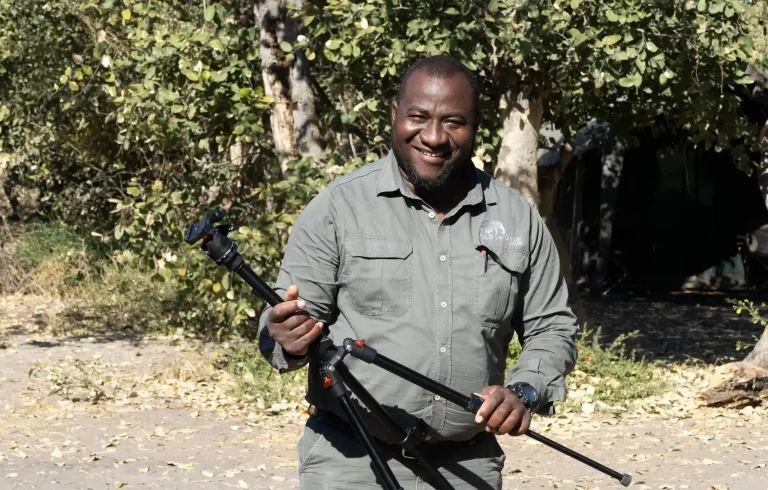
Ready to Capture the Wild?
From expert-guided game drives to exclusive wilderness locations, every moment is designed for extraordinary wildlife encounters.

Plan your ideal photographic safari in Botswana with tips on the best seasons, locations, and gear. Unforgettable wildlife moments await you.
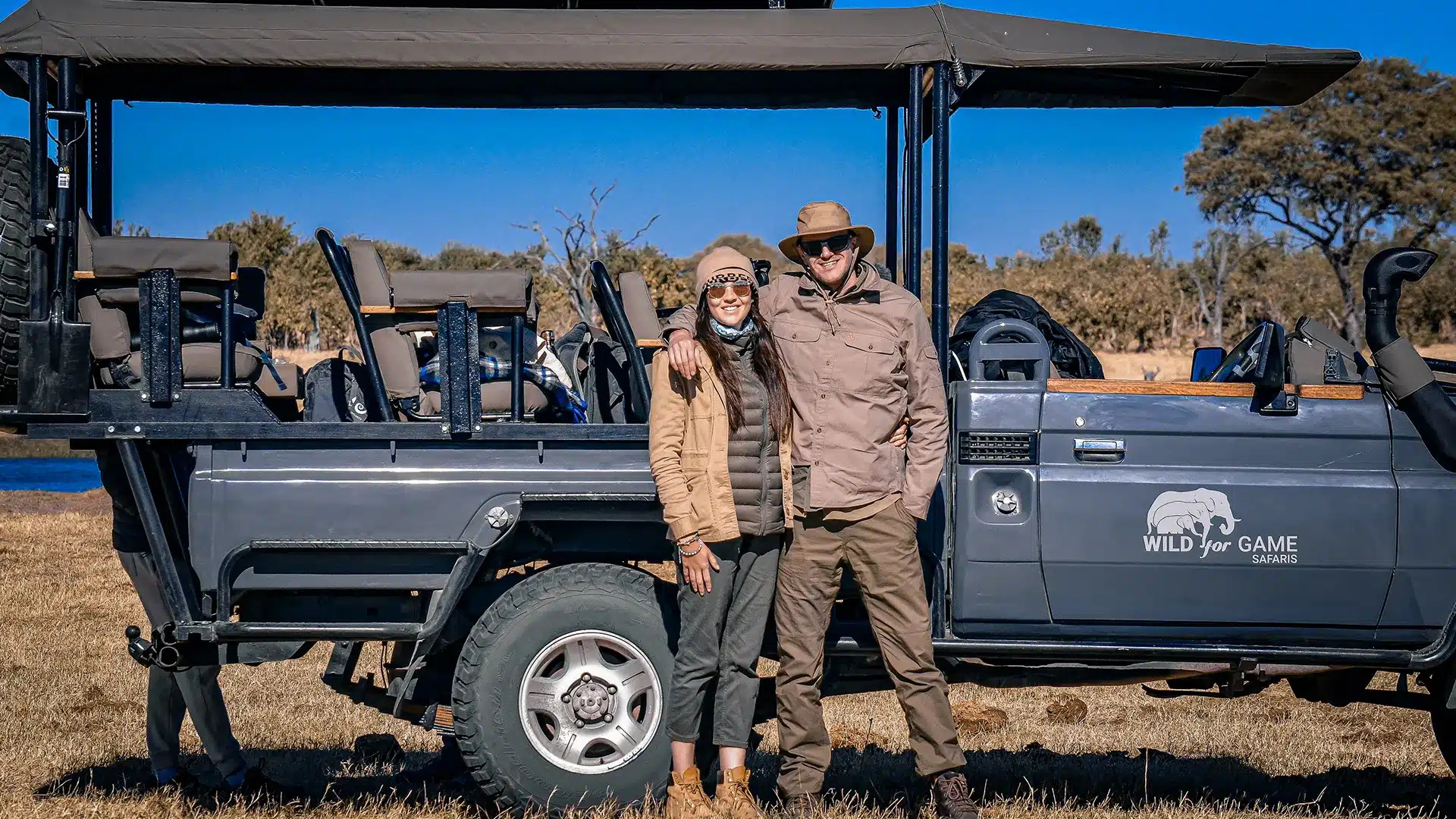
An African photo safari is a dream come true for many wildlife photographers, whether you’re a seasoned professional or an enthusiastic beginner. This unique adventure offers incredible access to iconic safari destinations, where you can witness and capture unforgettable wildlife encounters in their natural habitat.
Guided by professional wildlife photographers and expert guides, these photographic safaris provide invaluable in-field tutoring, helping you elevate your skills and capture stunning images.
Among the most remarkable safari locations is Botswana, renowned for its vast wilderness and exceptional photographic opportunities. With Wild For Game Safaris guides offering expert knowledge and access, Botswana stands out as a premier destination for capturing breathtaking wildlife moments.
From the expansive Okavango Delta to the diverse Chobe National Park, Botswana’s landscapes offer stunning backdrops for photographing elephants, big cats, and other wildlife in pristine settings.
Whether your goal is to capture intimate close-up shots or sweeping views of lush landscapes under dramatic skies, Botswana’s photographic safari experiences are unparalleled.
This is a Guide to planning your photographic safari with some tips from expert guides.
An African photo safari is a specialized wildlife photography adventure that combines traditional safari experiences with professional guidance and tailored opportunities to capture stunning images of Africa’s diverse fauna and landscapes.
Unlike general safaris, a photographic safari focuses on maximizing the chances of getting the perfect shot through expert-led game drives, flexible itineraries, and access to iconic safari destinations.
Participants range from seasoned wildlife photographers to enthusiastic beginners, all seeking to improve their skills and return home with remarkable photos of animals in their natural habitats, dramatic skies, lush landscapes, and intimate close-ups of baby animals.
These safaris often include instruction from professional photographers and guides who understand both wildlife behavior and photographic techniques, ensuring that travelers are camera-ready to capture unforgettable moments.
Choosing the right area within Botswana is key to maximizing your photographic safari experience, as each destination offers unique wildlife, landscapes, and photographic opportunities tailored to different interests and styles.
The Okavango Delta is one of Botswana’s most iconic photo safari destinations and a paradise for wildlife photographers.
This vast inland delta is a labyrinth of waterways, lagoons, and islands that attract a diverse array of animals. The lush habitats provide excellent opportunities to capture elephants bathing and moving through water, hippos wallowing in pools, and a variety of bird species in vibrant settings.
The interplay of water and wildlife creates stunning compositions, especially during the early morning and late afternoon golden light, when reflections and soft light enhance your images.
A photo safari here lets you explore unique water-based scenes perfect for creative wildlife photography.
Chobe National Park is renowned for its massive elephant herds, which often gather along the Chobe River.
This park offers dynamic wildlife photography opportunities, including elephants, lions, leopards, buffalo, and a rich diversity of other species. The green season, usually the rainy months, offers softer light and lush landscapes, making it a preferred time for photography.
The riverine environment provides a dramatic backdrop for action shots such as elephants drinking or crossing the water, making it a favorite for photographers seeking to capture both wildlife behavior and scenic landscapes.
Botswana offers exclusive safari experiences with intimate wildlife encounters, especially in areas like Chobe National Park.
An African Photo safari in Chobe offers a blend of powerful animal moments and beautiful natural settings.
Moremi Game Reserve, situated within the Okavango Delta, combines the best of both worlds—lush water habitats and open savannahs. It is known for its high predator density and a wide range of species, including wild dogs and big cats.
Moremi’s varied terrain allows photographers to experiment with different styles, from close-up portraits of big cats to wide-angle shots of herds against expansive landscapes. Please note that June to August is the peak season for wildlife photography, as game viewing is easier and lighting conditions are optimal.
The reserve’s relative exclusivity means fewer tourists, giving you more intimate wildlife encounters and the chance to capture natural, undisturbed moments during your photo safari.
The Tuli Block, located in southeastern Botswana, offers a contrasting photographic experience with its rugged terrain of rocky outcrops, mopane woodlands, and riverine forests.
This area is less frequented by tourists, offering a peaceful setting for photographers seeking unique compositions and capturing species that thrive here, such as kudu, sable antelope, and various birdlife.
The dramatic landscapes and fewer crowds allow for creative freedom and the opportunity to photograph wildlife in a more secluded and natural state on your photo safari.
By understanding the distinctive characteristics of these Botswana destinations, photographers can choose the best location that aligns with their wildlife interests, preferred photographic styles, and desired landscape aesthetics, ensuring a rewarding and memorable photo safari experience.
When planning your trip with Wild For Game Safaris, consider the distinct photographic advantages of each region to align with your wildlife interests and desired landscape aesthetics.
Timing your visit to Botswana’s safari destinations is crucial for capturing the best photographic moments. The dry season, from May to October, is considered prime time for wildlife viewing.
The best time for easy game viewing is usually in the dry season, as animals gather around water sources, making them more visible.
During this period, animals congregate around shrinking water sources, making wildlife encounters more predictable and visible. The clear skies and crisp light conditions enhance the quality of your images.
The green season, from November to April, transforms Botswana’s landscapes into lush, vibrant scenes with dramatic skies. Many professionals consider the quiet green season the best time to photograph wildlife, offering unique opportunities to capture atmospheric shots.
This period is excellent for photographing baby animals during calving season and capturing atmospheric shots with softer light. However, be prepared for occasional rain and humid conditions that may require extra care for your camera gear.
During the golden hours, early morning and late afternoon, the best light for photography is available.
Wild For Game Safaris can help you choose the ideal season based on your photographic goals and preferences.
Botswana’s rich wildlife offers thrilling opportunities for action photography, from elephants bathing in the delta to predators stalking their prey. To capture these dynamic moments, prepare with fast shutter speeds, burst mode, and a camera with reliable autofocus.
Choose a specialized photographic safari tour operator that can provide expert guides. Keep in mind that standard safari rules include packing lightweight, layered clothing and keeping colors muted.
Wild For Game Safaris guides provide expert insights into animal behavior, helping you anticipate behavior and be camera-ready for those perfect shots. Their knowledge and the use of safari vehicles designed for photography allow you to position yourself optimally without disturbing the wildlife.
Preparing the right gear and clothing for your photographic safari in Botswana is essential to ensure comfort, protection, and readiness to capture stunning wildlife images. Packing lightweight, muted clothing and layered outfits is recommended for comfort in varying safari climates. Here’s a detailed packing guide to help you make the most of your adventure:
By thoughtfully packing these essentials, you’ll be well-prepared to enjoy your photographic safari in Botswana, capturing breathtaking images while staying comfortable and protected throughout your journey. Backup storage for photos, like a laptop or portable hard drive, is necessary during a photo safari.
Working with Wild For Game Safaris ensures a personalized itinerary tailored to your photographic ambitions. Their private safari vehicles offer flexibility to stop and reposition for the perfect shot, maximizing your time during golden hours.
Their experienced guides understand both wildlife and photography, providing invaluable advice on animal behavior and the best vantage points for capturing Botswana’s wildlife in their natural habitat.
A photography safari with Wild For Game Safaris in Botswana offers an extraordinary adventure filled with incredible wildlife encounters and stunning photographic opportunities.
With careful planning, the right gear, and expert guidance, you can capture unforgettable images that showcase the beauty and diversity of Botswana’s wilderness.
Start planning your Botswana photographic safari with confidence, knowing you’ll be supported by knowledgeable guides and access to some of Africa’s most iconic safari destinations.
Botswana offers vast, unspoiled wilderness areas with abundant wildlife, including large herds of elephants and big cats. Its diverse landscapes and expert guides provide unparalleled photographic opportunities.
Wild For Game Safaris provides expert guides with deep knowledge of wildlife behavior and photography needs, private safari vehicles for flexibility, and access to exclusive locations, ensuring optimal conditions for capturing stunning images.
The dry season (May to October) offers the best visibility and light conditions, while the green season (November to April) provides lush landscapes and opportunities to photograph baby animals, albeit with occasional rain.
Versatile zoom lenses, prime lenses for close-ups, multiple batteries, memory cards, lens caps, and a sturdy camera bag are essential. Carrying two cameras with different lenses attached is also recommended to minimize lens changes in the field.
Absolutely. Many safaris, including those with Wild For Game Safaris, cater to all skill levels, offering expert guidance and workshops to help beginners improve their wildlife photography skills and gain confidence in the field.