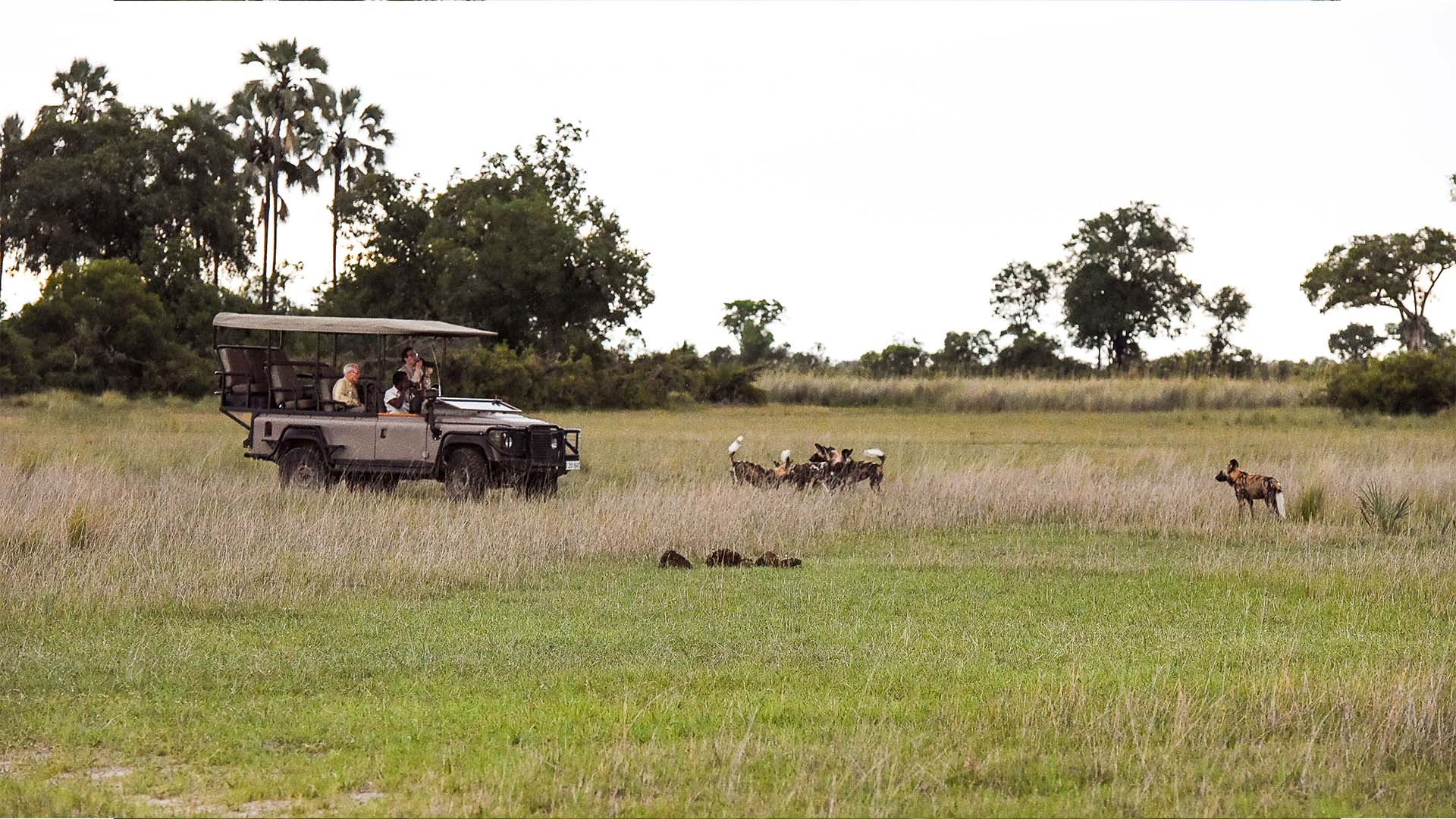

Nestled in the heart of Southern Africa, the Okavango Delta is a breathtaking sanctuary where nature’s most captivating wildlife moments unfold against a backdrop of shimmering waterways and lush landscapes.
Renowned as one of the world’s premier wildlife photography destinations, this unique inland delta offers photographers an extraordinary chance to capture everything from elusive predators to vibrant birdlife in their natural habitat.
Whether you’re drawn by the thrill of tracking African wild dogs, the majesty of elephants at the water’s edge, or the delicate beauty of migratory birds, understanding the rhythms of the delta’s seasons is key to planning your perfect photographic adventure.
This guide will help you discover the best time of year for wildlife photography in the Okavango Delta, ensuring your visit is filled with unforgettable encounters and stunning images that tell the story of this remarkable ecosystem.
Introduction to the Okavango Delta
The Okavango Delta, located in the heart of Southern Africa, is a world-renowned wildlife photography destination. This vast inland delta transforms the arid Kalahari Desert into a lush oasis teeming with a diverse array of animals and stunning landscapes.
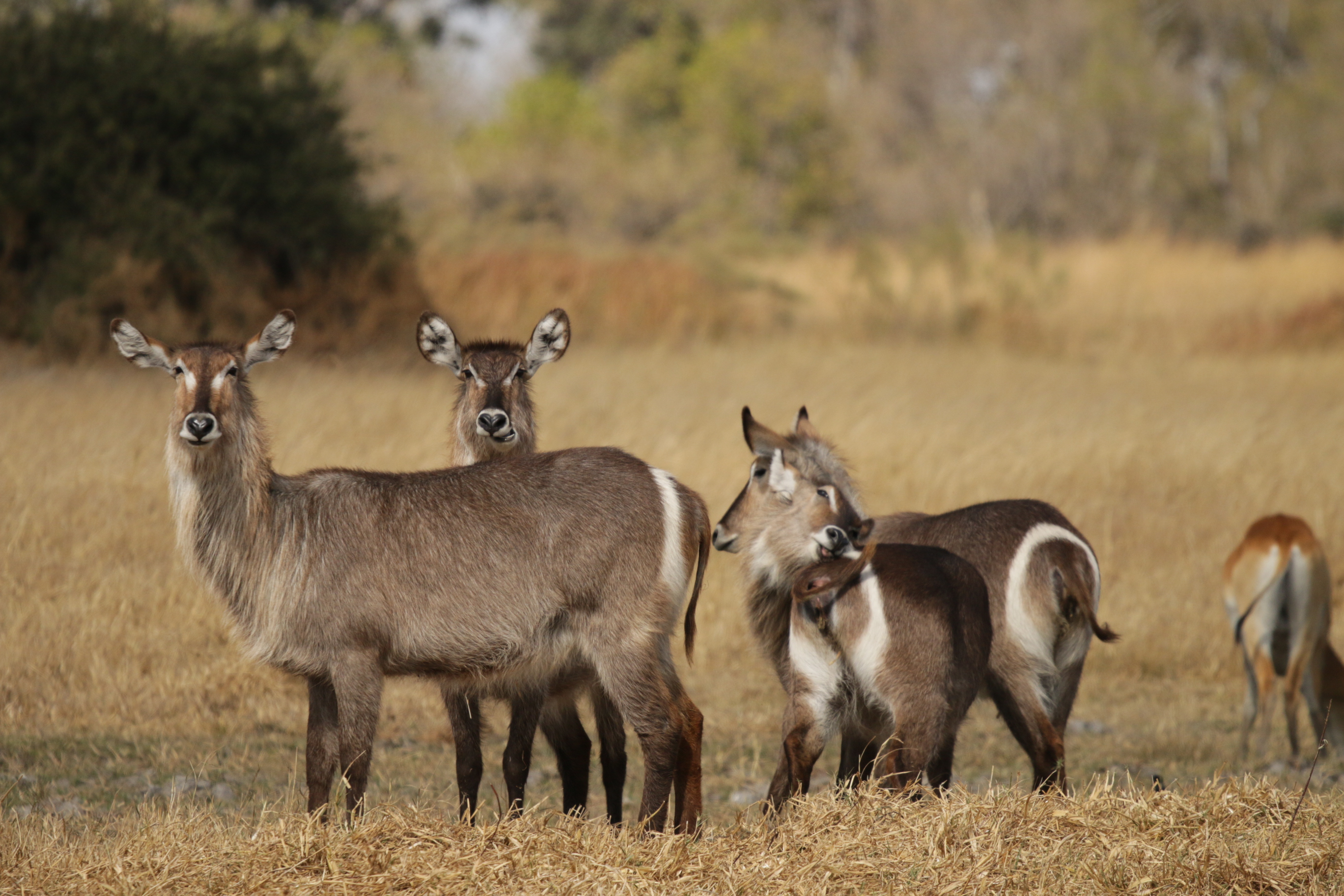
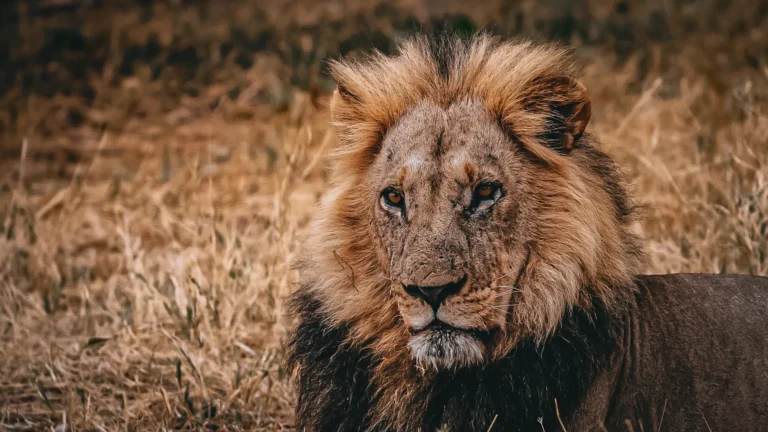
Home to iconic species such as African wild dogs, elephants, hippos, lions, leopards, and a wide variety of birdlife, the delta offers photographers unparalleled opportunities to capture wildlife in their natural habitat.
The unique ecosystem of the Okavango Delta is shaped by its distinct wet and dry seasons, creating ever-changing scenery and wildlife behaviors that make each visit a unique experience.
Whether exploring the delta by boat trips along the Okavango River or embarking on thrilling game drives, visitors can expect to encounter a rich tapestry of wildlife and breathtaking photographic moments.
Why Choose a Photographic Safari in the Okavango Delta?
The Okavango Delta stands out as one of the most captivating destinations for wildlife photography in Southern Africa. Its unique ecosystem, where the desert transforms into a lush wetland, offers photographers unparalleled opportunities to capture a diverse array of wildlife in stunning natural settings.
One of the key attractions of the Okavango Delta is the incredible variety of species you can encounter. From elusive African wild dogs and majestic elephants to vibrant birds like the African jacana and pel’s fishing owl, the delta is a dream destination for those seeking to photograph many species in one place.
The seasonal rhythms of the delta add to its photographic appeal. During the dry season, animals congregate around shrinking water sources, creating dramatic scenes against thinning vegetation and open landscapes. Conversely, the green season brings lush vegetation, breeding herds, and a burst of new life, perfect for capturing intimate moments of wildlife behavior and colorful migratory birds.
Additionally, the delta’s diverse terrain allows for a range of photographic experiences. Whether you prefer game drives on land or boat trips along the Okavango River’s waterways, each offers unique perspectives and opportunities to capture wildlife and landscapes in different lights and moods.
Moreover, the Okavango Delta’s commitment to conservation and responsible tourism ensures that your photographic safari supports the preservation of this fragile ecosystem. Many lodges operate in private concessions, providing exclusive access and less crowded settings, allowing photographers to work with minimal disturbance to the animals.
In essence, a photographic safari in the Okavango Delta combines breathtaking scenery, abundant wildlife, and seasonal diversity, making it an exceptional choice for photographers seeking unforgettable images and experiences.
Understanding the Seasons
The Okavango Delta experiences two primary seasons: the wet season (also known as the green season) and the dry season.
The wet season typically runs from November to April, coinciding with the summer rains. During this time, the delta bursts into life with lush green vegetation, abundant water, and a surge of new life.
Migrant birds arrive in large numbers, and many animals give birth, making it an excellent time for photographing baby animals and birds breeding. However, the thick vegetation can sometimes make wildlife spotting more challenging.
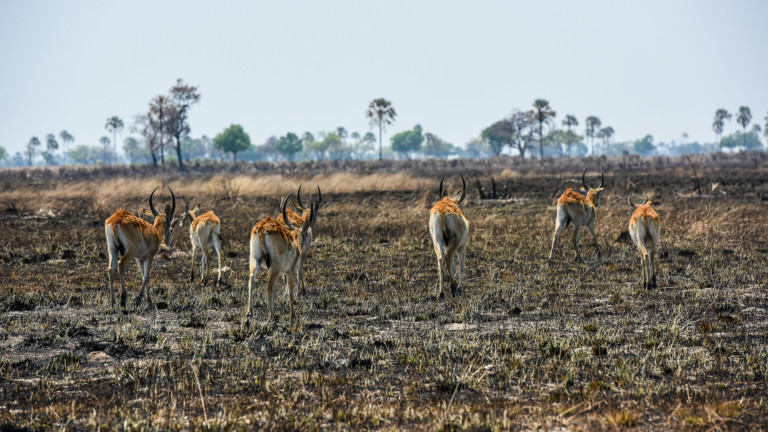
The dry season spans from May to October and is characterized by thinning vegetation and shrinking waterholes. As water sources become scarce, animals begin to congregate around the main rivers and permanent water bodies, making wildlife easier to locate and photograph.
Daytime temperatures during the dry season are generally mild, while nights can be cooler, offering comfortable conditions for morning game drives and evening boat trips.
Understanding these seasonal dynamics is essential for photographers planning their trip, as each season offers distinct advantages for capturing the delta’s diverse wildlife and landscapes.
Planning a Photographic Safari Trip
When planning a wildlife photography trip to the Okavango Delta, timing is crucial. The best time to visit largely depends on your photographic goals and the type of wildlife encounters you desire. The dry season, from May to October, is often favored for its excellent game viewing opportunities.
During this period, animals concentrate around shrinking water sources, providing photographers with more predictable sightings and the chance to capture dramatic wildlife interactions against the backdrop of thinning vegetation and open landscapes.
Conversely, the green season offers a unique experience with vibrant, lush scenery and the opportunity to photograph newborn animals and a variety of migratory birds. This season is ideal for those interested in capturing the delta’s rich biodiversity and the dynamic interplay of wildlife and environment.
Booking accommodations and tours well in advance is highly recommended, especially during the peak dry season, as the Okavango Delta is a popular destination attracting many visitors.
Best Time to Visit
The prime months for wildlife photography in the Okavango Delta are from May through October, aligning with the dry season.
During this time, the average temperatures are comfortable, with warm days and cooler nights, creating ideal conditions for early morning and late afternoon game drives—the best times for photography due to the soft, golden light.
The Okavango River and its surrounding wetlands teem with a wide array of wildlife, including African wild dogs, elephants, hippos, and many bird species like the African jacana and wattled crane.
The dry season also offers the advantage of clearer visibility as the thinning vegetation allows unobstructed views of animals.
This period coincides with the high season for tourism, so visitors can expect excellent wildlife sightings, though it is essential to plan ahead to secure the best accommodations and guides.
Peak Season and Tourist Traffic
The peak tourism season in the Okavango Delta falls between June and August, when the dry season is at its height. This period is known for superb wildlife viewing as animals gather in huge numbers around the remaining water sources.
The thinning vegetation and cooler temperatures contribute to excellent photographic opportunities, with many camps and lodges offering a wide range of activities such as game drives, boat trips, and walking safaris.
However, the popularity of this season means the delta can become crowded, with more safari vehicles and tourists vying for the best vantage points.
To make the most of your visit during peak season, it is crucial to book accommodations and tours well in advance.
Choosing lodges in private concessions can also provide a more exclusive and less crowded experience, allowing photographers to capture wildlife without the distraction of large crowds.
Low Season and Budget Options
The low season, coinciding with the wet or green season from November to April, presents a different but equally rewarding experience for wildlife photographers.
During this time, many lodges and tour operators offer discounted rates and special deals, making it an attractive option for budget-conscious travelers. The landscape is vibrant and lush, with the rains arriving and transforming the delta into a green paradise.
While wildlife may be more dispersed due to the abundance of water, this season is exceptional for bird photography, with migratory birds arriving in large numbers.
Photographers can capture dramatic skies and afternoon thunderstorms that add atmosphere and mood to images. The wet season also brings the excitement of witnessing new life, with many animals giving birth and birds breeding.
Despite challenges such as impassable roads and thicker vegetation making wildlife spotting more difficult, the low season offers fewer visitors and a peaceful, intimate experience with nature.
It is an ideal time for photographers who prefer solitude and want to explore the delta’s rich biodiversity beyond the typical tourist crowds.
Photography Gear and Techniques
For a successful wildlife photography trip to the Okavango Delta, having the right gear and understanding photographic techniques is essential.
A versatile camera setup should include a wide-angle lens to capture the expansive landscapes and dramatic skies, as well as a telephoto lens (ideally between 200mm and 600mm) to photograph distant or shy animals without disturbing them.
A sturdy tripod and remote shutter release can help stabilize shots during low light conditions, such as early morning or late afternoon game drives.
Familiarity with camera settings like aperture, shutter speed, and ISO will enable photographers to adapt to varying light conditions and capture sharp, vibrant images.
Understanding animal behavior is equally important. Knowing when animals are most active—often during cooler temperatures at dawn and dusk—can help photographers anticipate moments worth capturing.
Additionally, communicating with guides about desired distances and photographic goals can enhance the quality of wildlife encounters while respecting the animals’ space.
Conservation and Responsible Tourism
The Okavango Delta is a fragile and unique ecosystem that requires careful stewardship to preserve its natural beauty and biodiversity.
Responsible tourism plays a vital role in ensuring that future generations can continue to enjoy this extraordinary wilderness. Many tour operators and lodges in the delta adhere to eco-friendly and sustainable practices designed to minimize environmental impact.
Visitors are encouraged to respect wildlife and their habitats by following guidelines provided by guides and operators, such as maintaining safe distances from animals and avoiding disruptive behaviors.
Supporting conservation initiatives through eco-tourism helps fund protection efforts and community development programs that benefit both the environment and local people.
By practicing responsible tourism, photographers and travelers contribute to the ongoing preservation of the Okavango Delta’s incredible wildlife and landscapes, ensuring that this dream destination remains intact for years to come.
Conclusion and Final Tips
The Okavango Delta stands as a dream destination for wildlife photography, offering a rich tapestry of animals, landscapes, and unique ecological phenomena.
The best time to visit is generally during the dry season from May to October, when wildlife viewing is at its peak and the scenery is particularly photogenic.
However, the green season also offers compelling photographic opportunities with its lush vegetation, breeding wildlife, and vibrant birdlife.
Planning ahead, researching the best times and locations, and booking accommodations and tours in advance are key to making the most of your trip. Equipping yourself with the right gear and knowledge, while practicing responsible tourism, will enhance your experience and help protect this remarkable ecosystem.
With these guidelines in mind, photographers can look forward to capturing stunning images and creating unforgettable memories in the breathtaking Okavango Delta.
Frequently Asked Questions (FAQ)
Q: What is the best time of year for wildlife photography in the Okavango Delta?
A: The best time is generally during the dry season from May to October. During these months, animals concentrate around shrinking water sources, offering excellent opportunities for wildlife viewing and photography with clearer visibility and comfortable temperatures.
Q: Can I visit the Okavango Delta during the wet season?
A: Yes, the wet or green season runs from November to April and offers lush landscapes, abundant birdlife, and the chance to photograph newborn animals. However, wildlife may be more dispersed, and some roads may be less accessible.
Q: What wildlife can I expect to see in the Okavango Delta?
A: The delta is home to a diverse array of species including African wild dogs, elephants, lions, leopards, hippos, and many bird species such as the African jacana, wattled crane, and pel’s fishing owl.
Q: Are boat trips available year-round in the Okavango Delta?
A: Boat trips along the Okavango River are popular, especially during the dry season when water levels are ideal. During the wet season, some areas may be more difficult to navigate by boat.
Q: How should I prepare my photography gear for a trip to the Okavango Delta?
A: Bring a versatile camera setup with wide-angle and telephoto lenses (200mm to 600mm), a sturdy tripod, and be prepared for varying light conditions. Communicate with your guide about photographic goals to optimize your experience.
Q: Is the Okavango Delta suitable for self-drive safaris?
A: While some areas allow self-drive, the Okavango Delta’s terrain and water channels often require guided tours or boat transfers. Many visitors prefer guided safaris for safety, local knowledge, and access to private concessions.
Q: How can I support conservation efforts while visiting the Okavango Delta?
A: Choose eco-friendly tour operators and lodges that practice sustainable tourism. Respect wildlife by maintaining safe distances and following guide instructions, and consider contributing to community development and conservation programs.
Q: What are the peak months for tourism in the Okavango Delta?
A: The peak tourism season is from June to August during the dry season, when wildlife viewing is at its best. Booking well in advance is recommended to secure accommodations and tours during this busy period.