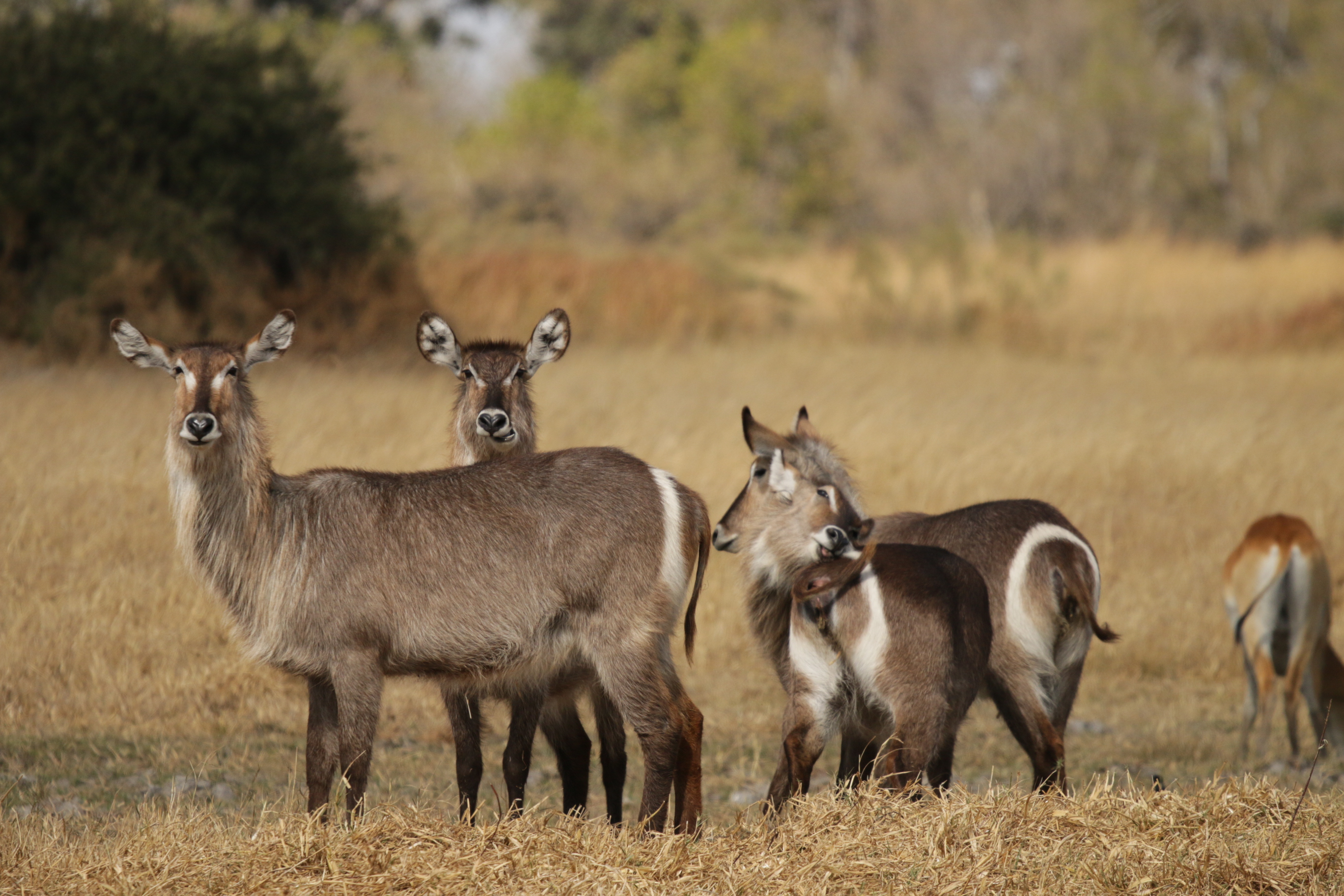


A photo safari is an extraordinary way to experience the wild beauty of nature while capturing breathtaking images of wildlife and landscapes. Unlike traditional safaris, photo safaris are specially designed to provide photographers with the time, guidance, and optimal conditions needed to hone their photography skills and create stunning visual stories. Whether you are a beginner eager to learn or a seasoned photographer seeking new challenges, a photo safari offers a unique blend of adventure, education, and conservation.
In this blog, we will explore what a photo safari entails, why Botswana stands out as a premier destination, and how you can prepare for an unforgettable photographic journey into the heart of the African wilderness.
What is a Photo Safari?
A photo safari is a guided wildlife photography expedition designed to capture stunning images of animals and landscapes in their natural habitats. It offers photographers, from beginners to professionals, a unique opportunity to hone their wildlife photography skills while immersing themselves in the beauty of nature. Photo safaris blend adventure, education, and conservation, making them ideal for travellers passionate about photography and the natural world.
Botswana, with its pristine wilderness and abundant wildlife, stands out as one of the world’s premier photo safari destinations. Its diverse ecosystems, from vast delta wetlands to arid savannahs, provide spectacular backdrops and unparalleled photographic opportunities.
Why Choose Botswana for Your Photo Safari?
Botswana is renowned for its commitment to conservation and sustainable tourism, ensuring that wildlife thrives in vast protected areas. The country’s low-impact tourism model means fewer guests and less crowded safari vehicles, allowing photographers to spend time capturing the perfect shot without feeling rushed or limited.

The combination of the African bush, crystal-clear waterways, and diverse animal behaviour makes Botswana an exceptional location for wildlife photography. Whether photographing elephants bathing in the Okavango Delta or lions stalking in Moremi Game Reserve, Botswana offers an unforgettable experience for all guests.
Different Types of Photo Safaris
Photo safaris come in various forms, each tailored to suit different interests, skill levels, and photographic goals. Understanding the different types can help you choose the perfect safari experience for your needs.
Traditional Photo Safaris
These safaris focus on capturing a wide range of wildlife and landscapes in their natural habitats. They offer diverse photographic opportunities and are ideal for photographers who want to build a varied portfolio.
For example, a traditional photo safari in the Chobe National Park or Moremi Game Reserve provides chances to photograph iconic African animals and landscapes.
Species-Specific Photo Safaris
Designed around photographing a particular species, these safaris provide in-depth opportunities to observe and capture images of one animal or bird.
Expert guides share detailed knowledge about the species’ behaviour and habitats, enhancing your chances of unique shots. An example is a Elephant focused photo safari in Chobe national park or a bird photography tour in the Okavango Delta.

Site-Specific Photo Safaris
These safaris are planned around a specific location known for its unique wildlife or landscapes. Photographers can capture the Okavango Delta’s waterways and birdlife, the vast open plains and desert-adapted wildlife of the Central Kalahari Game Reserve, or the elephant herds along the Chobe Riverfront. Timing is often aligned with seasonal events to maximise photographic opportunities.
Conservation Photography Safaris
Focused on raising awareness about wildlife conservation, these safaris enable photographers to document endangered species and the efforts made to conserve them. Participants often work alongside conservationists, using their images to support environmental causes. Botswana’s remote reserves and Victoria Falls area offer such meaningful experiences.
Marine and Underwater Photo Safaris
For photographers interested in marine life, these safaris provide specialised opportunities to capture underwater ecosystems and coastal wildlife. They often include equipment for underwater photography and visits to marine parks, expanding the range of subjects beyond terrestrial animals.
No matter which type you choose, photo safaris offer expert guidance, optimal conditions, and the opportunity to enhance your wildlife photography skills while enjoying unforgettable natural experiences.
Pristine Photographic Safari Destinations in Botswana
Okavango Delta
The Okavango Delta is a UNESCO World Heritage Site and one of the most biologically diverse areas on the planet. This vast inland delta is a labyrinth of waterways, islands, and floodplains, attracting a rich variety of wildlife, including elephants, hippos, crocodiles, and numerous bird species.
Photographers can explore the delta by traditional mokoro canoes or open safari boats, providing unique angles and opportunities to capture wildlife in and around the water. Early morning and late afternoon light enhance the delta’s stunning landscapes, making it an ideal location for both wildlife and landscape photography.

Moremi Game Reserve
Located within the Okavango Delta, Moremi Game Reserve combines wetlands and dry land, offering a rich variety of habitats and wildlife. It is famous for its large populations of predators like lions, leopards, and wild dogs, as well as elephants and buffalo.
Moremi’s diverse terrain allows photographers to capture a wide range of animal behaviour and scenic landscapes. The reserve’s open vehicles and expert driver guides ensure that guests have ample time and the best vantage points for taking photos.
Linyanti Wildlife Reserve
Bordering the Okavango Delta, Linyanti Wildlife Reserve is known for its large herds of elephants and diverse birdlife. The reserve’s waterways and floodplains provide excellent opportunities for photographing animals in natural water settings.
Linyanti’s remote location means fewer tourists, allowing photographers to spend quality time observing and capturing intimate moments of wildlife behaviour.
Chobe National Park
Famous for its massive elephant populations, Chobe National Park offers spectacular wildlife sightings year-round. The Chobe Riverfront is a hotspot for photographers seeking to capture elephants, hippos, crocodiles, and a diverse array of bird species against the backdrop of the river.
Boat safaris on the Chobe River offer a unique perspective for wildlife photography, allowing for close-up shots of animals interacting with their aquatic environment.
Central Kalahari Game Reserve
For those seeking a more adventurous photo safari, the Central Kalahari Game Reserve offers vast open landscapes and unique desert-adapted wildlife. Photographers can capture species such as meerkats, brown hyenas, and black-maned lions in this remote and rugged environment.
The reserve’s wide-open spaces and dramatic skies are perfect for landscape photography, providing a contrast to the lush wetlands of the delta.
Our Photographic Safari Packages in Botswana
Delta Miracle
The Delta Miracle package is designed for photographers eager to experience the heart of the Okavango Delta. This package includes guided game drives and mokoro excursions, offering diverse photographic opportunities from the water and land.
Guests will spend time in prime locations within the delta, capturing images of elephants crossing waterways, hippos wallowing, and a myriad of bird species. Expert guides provide valuable insights into animal behaviour and help photographers improve their technical knowledge and camera settings.
This package is ideal for travellers who want to immerse themselves in the delta’s unique ecosystem while developing their wildlife photography skills.
Northern Explore
The Northern Explore package takes photographers on an exciting journey through some of Botswana’s most iconic northern destinations, including Moremi Game Reserve, Linyanti Wildlife Reserve, and Chobe National Park.
This safari offers a rich variety of wildlife and landscapes, from the dense woodlands of Moremi to the expansive floodplains of Linyanti and the riverfront of Chobe. Photographers will have the chance to capture the great migration of elephants, prides of lions, and spectacular birdlife.
With expert driver guides and small group sizes, guests receive personalised attention and ample time to take photos at their own pace. The Northern Explore package is perfect for photographers passionate about capturing diverse wildlife and landscapes in one comprehensive safari.
Planning Your Botswana Photo Safari
When planning a photo safari in Botswana, it’s important to consider the time of year, as seasonal changes affect wildlife movement and photographic conditions. The dry season, from May to October, is generally considered the best time for wildlife photography, as animals congregate around water sources and skies are clearer, providing optimal lighting conditions.
Packing the right gear is essential. Photographers should bring versatile lenses, sturdy camera mounts, and protective equipment for their cameras. Additionally, spending time learning about animal behaviour and habitat will enhance the ability to anticipate and capture compelling wildlife moments.
Our expert guides in Botswana are passionate about photography and wildlife, providing guests with tailored advice and ensuring safety throughout the safari. Their deep knowledge of the bush and animal behaviour helps photographers find the best locations and moments to take photos.
Conclusion
A photo safari in Botswana offers an unparalleled opportunity to combine the thrill of wildlife photography with the beauty of one of Africa’s most pristine wilderness areas. Whether you choose the Delta Explore or Northern Explore packages, you will enjoy expert guidance, breathtaking scenery, and unforgettable wildlife encounters.
Start planning your photographic safari adventure in Botswana today and create images that capture the life, passion, and wonder of the African bush.
Frequently Asked Questions about Photo Safaris
What is a photo safari?
A photo safari is a guided wildlife photography expedition that focuses on capturing stunning images of animals, landscapes, and natural scenes in their natural habitats. Unlike traditional safaris, photo safaris prioritise photography opportunities, allowing more time and expert guidance to help photographers of all skill levels improve their photography skills.
Who can join a photo safari?
Photo safaris cater to a wide range of participants, from beginners to professional photographers. Whether you are just starting to learn wildlife photography or have advanced skills, photo safaris offer tailored experiences to suit different skill levels and interests.
When is the best time to go on a photo safari in Botswana?
The dry season, typically from May to October, is the best time for wildlife photography in Botswana. During this period, animals gather around water sources, and the clear skies provide optimal lighting conditions for capturing great images.
What wildlife can I expect to photograph on a Botswana photo safari?
Botswana offers a rich variety of wildlife, including elephants, lions, leopards, wild dogs, hippos, crocodiles, and numerous bird species. Key locations, such as the Okavango Delta, Moremi Game Reserve, and Chobe National Park, offer diverse habitats and excellent photo opportunities.
What equipment should I bring on a photo safari?
Essential equipment includes versatile camera lenses, sturdy camera mounts or tripods, extra batteries, and protective gear for your camera. It’s also helpful to bring binoculars and comfortable clothing suitable for the bush environment.
How are photo safaris different from traditional safaris?
Photo safaris focus on providing the best conditions for photography, including longer observation times, expert guidance on camera settings and animal behaviour, and smaller group sizes. Traditional safaris prioritise wildlife viewing and may not allow as much time for taking photos.
Can non-photographers join a photo safari?
Yes, many photo safaris welcome non-photographers who want to enjoy the wildlife experience. Some operators even provide cameras for non-photographers to try their hand at photography during the trip.
How do expert guides enhance the photo safari experience?
Expert guides possess deep knowledge of wildlife behaviour, optimal lighting conditions, and the best vantage points. They help position the vehicle for ideal shots and provide insights to improve your photography skills, making your safari both educational and rewarding.