
Africa is renowned for its diverse and majestic feline species, ranging from the world-famous big cats to the lesser-known small cats.
The continent is home to iconic apex predators such as the African lion (Panthera leo), African leopard (Panthera pardus), and the cheetah (Acinonyx jubatus), which are essential for maintaining ecological balance. Alongside these giants, Africa also hosts fascinating smaller species, such as the African golden cat, jungle cat, and sand cat, which contribute significantly to the continent’s rich biodiversity.
These wild cats inhabit a wide array of habitats, from the arid Sahara Desert in north Africa to the lush savannas and grasslands of southern and eastern Africa.
Apex Predators
The big cats of Africa stand at the pinnacle of the food chain, renowned for their strength, agility, and hunting prowess. As apex predators, lions, leopards, and cheetahs regulate prey populations, ensuring healthy ecosystems. Their presence is a key indicator of environmental health, as they require large territories and abundant prey to thrive.
These cats have evolved specialized adaptations, such as powerful muscles, sharp retractable claws, and keen senses, making them some of the most successful hunters in the animal kingdom. Their retractable claws not only aid in catching prey but also assist in climbing and maintaining stealth.
Big Cat Species
African Lion (Panthera leo)

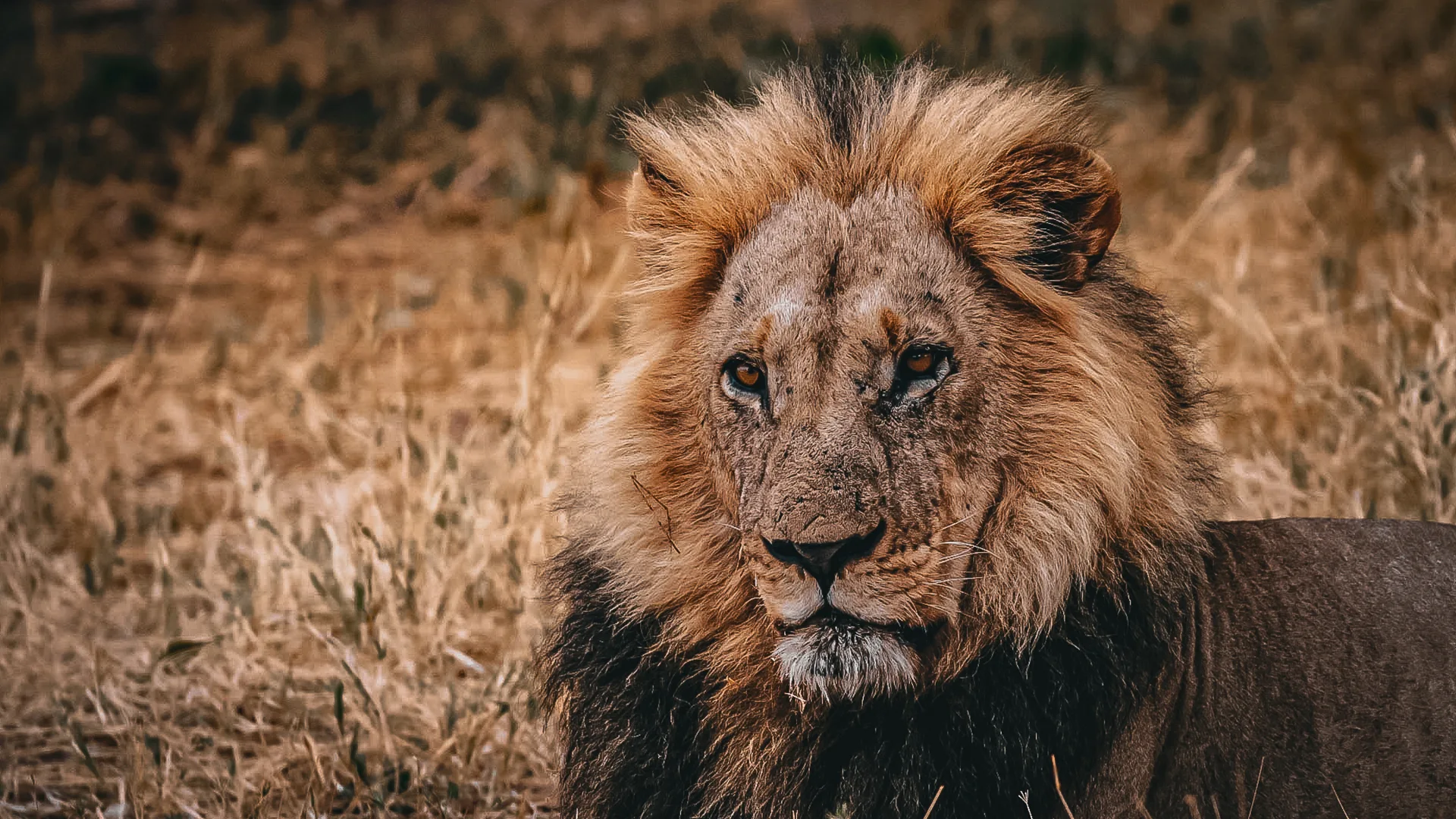
The African lion is perhaps the most iconic of Africa’s big cats, often dubbed the “king of the jungle.” Found predominantly in southern and eastern Africa, lions live in social groups called prides, which is unique among cats. These prides can consist of up to 30 members, including related females, their offspring, and a few adult males. Lions are the only truly social cats, living in these structured groups.
Male lions are known for their impressive manes, which symbolize strength and help protect their necks during fights. Despite their size, lions can reach speeds of up to 50 mph in short bursts.
They are opportunistic predators that hunt large prey such as wildebeest, zebra, and buffalo. Notably, white lions, a rare color morph, can be found in some regions, captivating safari goers worldwide.
African Leopard (Panthera pardus)

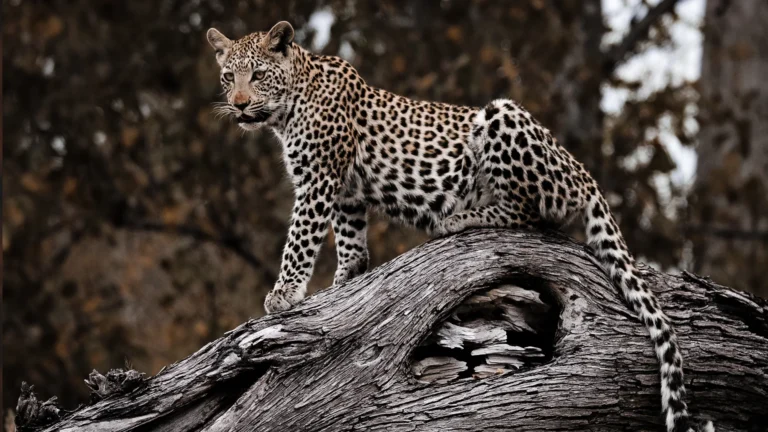
The African leopard is a solitary and elusive predator, widely distributed across west, central, and east Africa. Its distinctive spotted coat provides excellent camouflage, allowing it to blend into various environments from rainforests to savannas. Leopards are solitary hunters, relying on their rosette-patterned coats for both concealment and ambush. Leopards are classified as ‘Vulnerable’ on the IUCN Red List due to their declining populations and threats from habitat loss and poaching.
Leopards are expert climbers, often dragging their kills up trees to avoid scavengers like hyenas and lions. They prey on a variety of animals, including small mammals and large prey, showcasing their adaptability.
Their secretive nature makes them a firm favourite among wildlife enthusiasts who cherish rare sightings.
Cheetah (Acinonyx jubatus)

Known as the fastest land mammal, the cheetah is built for speed, capable of reaching 70 mph in short sprints. This incredible speed allows cheetahs to excel in chasing down prey in open grasslands and savannas. Cheetahs are the fastest land animals, capable of reaching speeds up to 60 mph (97 km/h).
Found mainly in southern and eastern Africa, cheetahs hunt primarily during the day to avoid competition with other predators such as lions and hyenas. Their hunting strategy involves stealthy stalking followed by explosive acceleration to catch prey such as gazelles and impalas.
The characteristic black tear marks on their faces help reduce glare from the sun, enhancing their focus during the chase. Unfortunately, cheetahs face threats from habitat loss and human conflict, which have led to their classification as vulnerable. Cheetahs are also listed as ‘Vulnerable’ on the IUCN Red List, with their populations threatened by habitat loss and human-wildlife conflict.
Caracal (Caracal caracal) and Serval (Leptailurus serval)
Smaller than the aforementioned big cats, the caracal and serval are remarkable for their agility and hunting skills.

The caracal is recognized by its striking tufted ears and is known to leap impressively to catch birds mid-flight. It inhabits various regions, including desert areas and savannas. These agile hunters can jump up to 10 feet into the air to snatch birds in flight.

The serval, with its long legs and large ears, excels at hunting small rodents and birds in tall grass and wetlands. Both species are widespread but often go unnoticed due to their elusive behavior.
Lion and Big Cat Populations
Populations of big cats in Africa are under significant pressure from habitat loss, poaching, and human-wildlife conflict. Climate change is affecting the habitats of big cats, altering prey availability and water sources.
The African lion has experienced a steep decline, with some populations fragmented across South Africa, East Africa, and West Africa. Conservation efforts focus on protecting habitats, mitigating human conflicts, and curbing illegal hunting. Current estimates suggest fewer than 20,000 lions remain in the wild, highlighting the urgency of these efforts.
Similarly, big cat populations, such as leopards and cheetahs, face challenges due to shrinking prey bases and encroachment on their territories. Protected areas such as Zambia’s South Luangwa National Park serve as critical refuges for these species.
Africa’s Big Cat Ecosystems
The habitats of Africa’s big cats are as varied as the continent itself. From the vast grasslands and savannas of East Africa to the dense rainforests of Central Africa, these cats have adapted to diverse environments.
The Sahara Desert and other desert regions shelter hardy species like the sand cat and caracal, while the lush wetlands and forests support species like the African golden cat (Caracal aurata), which is closely related to the caracal but prefers dense forest habitats.
The African golden cat (Caracal aurata) is a secretive predator, primarily found in dense rainforests, making it one of the least studied cats in Africa. The African golden cat is threatened by habitat loss from deforestation and bushmeat hunting, which have led to its classification as ‘Vulnerable.’
These ecosystems are interconnected, and the health of one impacts the survival of these majestic felines.
Physical Characteristics
Each African cat species exhibits unique physical traits that aid their survival. The lion’s mane not only signals dominance but also offers protection during territorial battles.
The leopard’s spotted coat is a masterpiece of natural camouflage, while the cheetah’s slender body and long legs optimize it for high-speed pursuits.
Smaller cats like the African wildcat resemble domestic cats but possess longer legs and more robust hunting instincts. The caracal’s signature tufted ears and the serval’s large ears are adaptations for detecting prey in dense vegetation. The African wildcat is the ancestor of domestic cats and remains a wild predator.
Social Structure and Behavior
Social behavior varies significantly among Africa’s cats. Lions are unique among social felines, living in prides that cooperate in hunting and cub rearing.
In contrast, leopards and cheetahs are primarily solitary, coming together only to mate. Most cats are nocturnal and solitary, relying on stealth and ambush tactics. Their excellent night vision is a crucial adaptation that enhances their hunting success in low-light conditions.
However, lions are often diurnal and can be seen active during the day. Understanding these social structures helps conservationists develop effective strategies to protect these species.
Habitat and Distribution
African cats inhabit a wide range of environments. The African lion is primarily found in southern and eastern Africa, thriving in open grasslands and savannas.
The African leopard has a broader range, extending into West Africa, Central Africa, and parts of North Africa. Smaller cats like the African wildcat adapt to deserts, forests, and grasslands, showcasing remarkable ecological versatility.
These cats’ ability to survive in diverse habitats underscores their evolutionary success.
Conservation Status
Many big cat species in Africa face threats that have led to declining populations. The African lion is listed as vulnerable, with some populations critically endangered due to habitat fragmentation and poaching.
The African leopard is near threatened, while the cheetah is vulnerable, with some subspecies classified as critically endangered. Smaller cats, including the African wildcat and sand cat, also confront habitat loss and human conflict.
Conservation efforts focus on habitat protection, anti-poaching measures, and community engagement to ensure the survival of these species.
Threats and Challenges
The most significant threats to Africa’s cats include habitat destruction, human-wildlife conflict, poaching, and climate change. Climate change is altering habitats, affecting prey availability and water sources, which further challenges their survival.
Expansion of agriculture and urban areas reduces available habitats, forcing cats into closer contact with humans. This often leads to attacks on small livestock, provoking retaliation.
Illegal hunting for skins and body parts further endangers these species. Seasonal changes affect prey availability and water sources, compounding survival challenges.
Addressing these threats requires comprehensive strategies involving governments, NGOs, and local communities.
Human-Wildlife Conflict
Conflict between humans and big cats is a significant conservation issue. Big cats sometimes prey on livestock, leading to retaliatory killings by farmers that exacerbate their population decline. Human-wildlife conflict is a significant issue for big cats, as they sometimes prey on livestock, leading to retaliatory killings by farmers.
Predation on livestock causes economic losses for farmers, leading to retaliatory killings of cats. Community-based conservation programs aim to reduce these conflicts through education, improved livestock management, and compensation schemes.
Promoting coexistence benefits both people and wildlife, ensuring the long-term survival of Africa’s majestic felines.
Research and Monitoring
Scientific research is vital for understanding the ecology and behavior of African cats. Tools like camera traps and GPS collars provide insights into movement patterns, population dynamics, and habitat use.
This data informs conservation strategies and helps track the effectiveness of protection measures. Collaborative efforts between scientists, conservationists, and local communities enhance knowledge and support sustainable management.
Community-Based Conservation
Involving local communities in conservation is essential for success. Community-based initiatives empower residents to protect wildlife while benefiting economically through ecotourism and job creation.
These programs foster a sense of stewardship, reduce human-wildlife conflict, and promote sustainable coexistence. Supporting local livelihoods alongside wildlife conservation creates a win-win scenario for Africa’s cats and people.
Conclusion and Future Directions
The survival of Africa’s largest cats depends on coordinated conservation efforts that address habitat loss, poaching, and conflict. Protecting these apex predators ensures the health of entire ecosystems, benefiting biodiversity and human communities alike.
Future generations will inherit the legacy of Africa’s wild cats through sustained research, community engagement, and global support. As guardians of the wild, these majestic felines continue to inspire awe and remind us of the delicate balance of nature.
Frequently Asked Questions (FAQ)
What are the biggest cats in Africa?
The biggest cats in Africa are the African lion (Panthera leo), African leopard (Panthera pardus), and the cheetah (Acinonyx jubatus). Among these, the lion is the largest and is often called the “king of the jungle.”
Where can I see the biggest cats in Africa on a safari?
Some of the best lion hotspots and big cat-viewing areas include the Serengeti National Park in Tanzania, the Maasai Mara National Reserve in Kenya, the South Luangwa National Park in Zambia, and the Kruger National Park in South Africa. These locations offer excellent opportunities to spot lions, leopards, cheetahs, and other African cats.
Are there smaller wild cats in Africa?
Yes, Africa is home to several smaller wild cats, such as the African golden cat, caracal, serval, African wildcat, sand cat, jungle cat, and black-footed cat. These smallest wild cats play essential roles in their ecosystems but are often secretive and harder to spot.
What makes the cheetah unique among Africa’s cats?
The cheetah is the fastest land animal in the world, capable of reaching speeds up to 70 mph in short bursts. Unlike other big cats, cheetahs hunt primarily during the day and rely on speed rather than strength or stealth.
How do human activities affect Africa’s wild cats?
Habitat loss, human-wildlife conflict, poaching, and climate change are major threats to Africa’s big cats and other wild cats. Expansion of agriculture and urban areas reduces their natural habitats, leading to conflicts with humans, especially when cats prey on small livestock.
What conservation efforts are in place for Africa’s cats?
Conservation programs focus on protecting habitats, mitigating human-wildlife conflict, anti-poaching measures, and community-based initiatives. Protected areas and national parks serve as critical refuges, and ongoing research helps inform strategies to support sustainable populations of Africa’s wild cats.
Can I see rare cat species like the African golden cat or black footed cat on safari?
While these cats are elusive due to their secretive nature and habitats, some safari destinations in central and southern Africa offer chances to spot them. Patience and expert guides increase the likelihood of sightings during your next safari adventure.