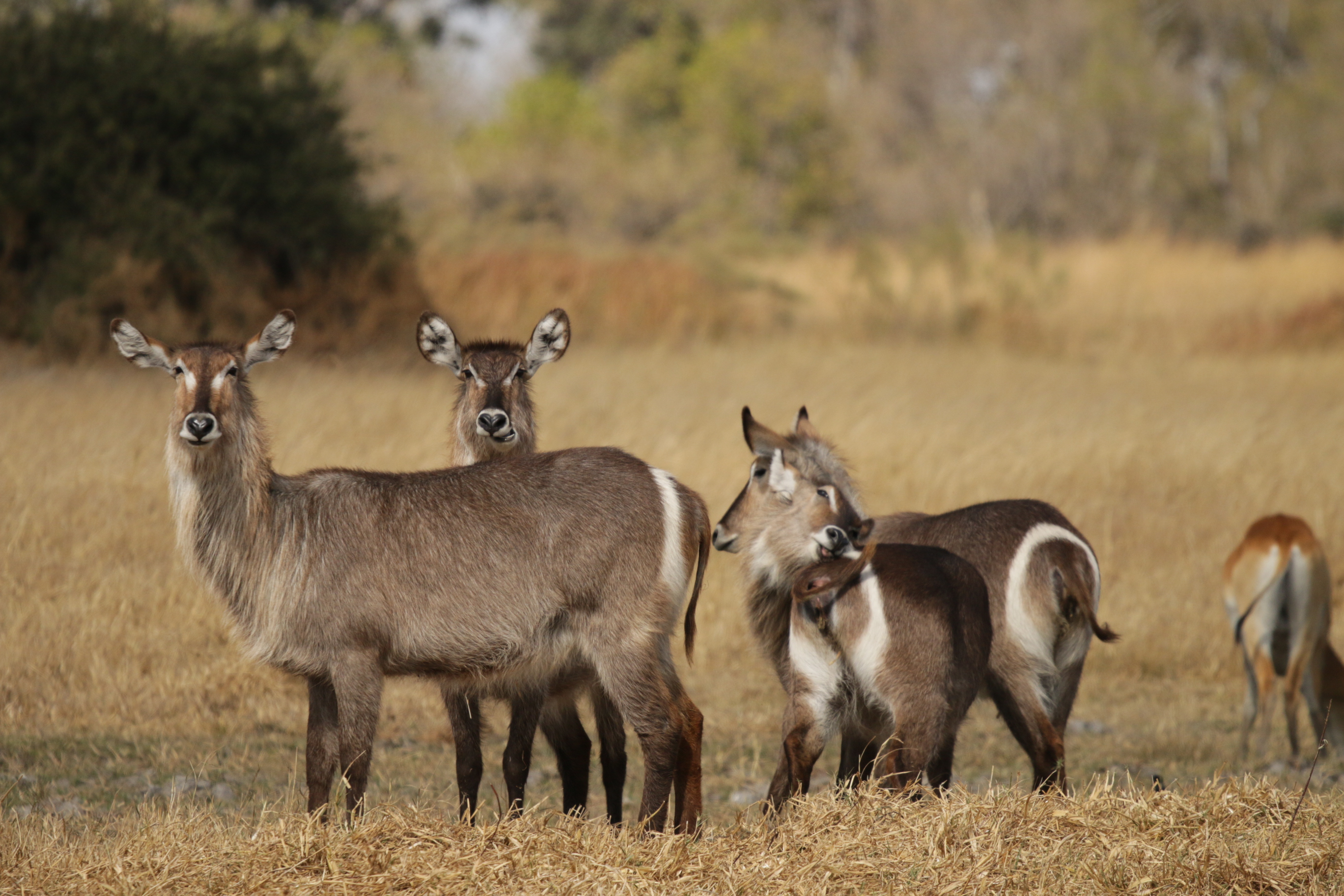


Embarking on a photographic safari in Botswana is a dream come true for wildlife photographers and nature enthusiasts alike. Known for its vast wilderness, abundant wildlife, and breathtaking landscapes, Botswana offers a unique and immersive experience that allows you to capture stunning images of Africa’s most iconic animals in their natural habitats. From the shimmering waterways of the Okavango Delta to the elephant-rich plains of Chobe National Park, Botswana is a sanctuary for photographers seeking both adventure and artistry.
This comprehensive guide to photographic safari in Botswana will help you plan your journey, choose the best times and locations for photography, select the right camera gear, and navigate the logistics of your trip.
Whether you are a seasoned wildlife photographer or a passionate beginner, this guide provides valuable insights to help you make the most of your Botswana safari and return home with a portfolio full of unforgettable images and memories.
Introduction to Botswana photo safari
Botswana is a dream destination for any wildlife photographer, offering abundant wildlife sightings and stunning landscapes that make it a top choice for a photographic safari in Botswana. From the lush waterways of the Okavango Delta to the vast wilderness of Chobe National Park, this Southern Africa gem is a paradise for those looking to capture the essence of Africa’s wild life and nature.
The country is home to a wide variety of animals, including majestic elephants, elusive leopards, powerful lions, and massive buffalo herds. These incredible creatures, combined with Botswana’s pristine landscapes, offer photographers endless opportunities to photograph wildlife in their natural habitat. Whether you are drawn to the dramatic scenes of swimming elephants or the vibrant birdlife along the riverbanks, Botswana provides a unique connection to the wild.
With its unique blend of wilderness and wildlife, Botswana is the perfect place to capture spectacular images and experience the beauty of Africa’s natural world. As a wildlife photographer, you’ll have the opportunity to explore the country’s national parks and game reserves, including the famous Chobe National Park and the Okavango Delta, both of which offer fantastic photographic opportunities.
Planning Your Trip

Choosing the Best Time to Visit
Timing is crucial when planning a Botswana safari to ensure you catch the best wildlife activity and lighting for your photographs. The dry season, running from May to October, is ideal for game viewing and photography because animals congregate around limited water sources, making sightings more predictable and frequent.
During the wet season, from November to April, the landscapes transform with lush greenery and new life, offering a different kind of photographic appeal. This is the best time to capture images of baby animals and vibrant vegetation, adding a fresh perspective to your portfolio.
If your focus is the Okavango Delta, plan your visit during the peak flood season, from April to June, when the waterways are full, and the delta is alive with aquatic wildlife and bird species. For a more personalized and tranquil experience, consider traveling during the shoulder seasons when tourist numbers are lower, allowing for a deeper connection with nature and undisturbed wildlife encounters.
Getting Ready for a Botswana Photo Safari
Preparation is key to making the most of your photographic safari in Botswana. Having the right camera gear is essential. A telephoto lens, such as a 100-400mm zoom, is highly recommended for capturing detailed wildlife images from a safe distance. Pair this with a reliable camera body that performs well in various lighting conditions, and don’t forget a sturdy tripod for steady shots during low light, such as at sunset or night.
Be sure to pack extra batteries, memory cards, and a portable charger to keep your equipment powered throughout the day. Understanding your camera settings and practicing beforehand will help you react quickly to fleeting moments in the bush.
If you are new to wildlife photography, consider enrolling in a photography workshop or course focused on safari techniques to sharpen your skills and boost your confidence.
Where to Stay in Botswana
Botswana offers a wide range of accommodation options to suit different preferences and budgets. From luxury lodges with fine dining and spa facilities to rustic bush camps and tented camps, there’s something for every kind of traveler.
Staying within or near national parks like Chobe or the Okavango Delta allows you to maximize your game viewing and photographic opportunities. Many lodges and camps offer guided game drives and walking safaris, providing excellent chances to get up close and personal with wildlife while learning from experienced guides.
If you are looking for a real adventure, a mobile photographic safari gives you that thrill of adventure and an intimate encounter with wildlife.
For those seeking exclusivity, private game reserves such as the Khwai Concession offer a more intimate experience with fewer tourists and the possibility of off-road driving, enhancing your chances to capture unique wildlife behavior and landscapes.
The Best Places for Photography in Botswana
Okavango Delta
One of the most extraordinary ecosystems on the planet, the Okavango Delta is a UNESCO World Heritage Site. Its waterways, islands, and floodplains teem with life, including elephants, hippos, crocodiles, and a spectacular array of birds such as kingfishers and eagles. Exploring the delta by boat or traditional mokoro canoe offers unique photographic angles and the chance to capture reflections, wildlife interactions, and breathtaking landscapes.
Chobe National Park
Famous for its large elephant population, Chobe National Park is a must-visit for wildlife photographers. The Chobe Riverfront is a hotspot where you can photograph elephants swimming, crocodiles basking, and diverse birdlife. The park’s varied habitats also support lions, buffalo herds, and other game, providing fantastic opportunities for dynamic wildlife shots.
Makgadikgadi Pans
For a different kind of landscape, the Makgadikgadi Pans offer surreal salt flats and desert scenes, home to migrating zebras, wildebeest, and elephants. The stark beauty of the pans, combined with dramatic skies and unique wildlife behaviors, makes this an unforgettable photographic destination.
Khwai Concession
A private game reserve on the edge of the Okavango Delta, the Khwai Concession offers exclusive access to walking safaris and game drives. It’s known for its rich wildlife, including predators like lions, leopards, and cheetahs, as well as abundant birdlife. The intimate setting allows photographers to spend time focusing on specific subjects and capturing detailed images.
Savute Region
Located within Chobe National Park, Savute is renowned for its predator sightings, including lions, leopards, and cheetahs. The dry, open landscapes provide excellent light and visibility for photography, and the area’s wildlife interactions offer thrilling moments to capture.
Exploring the Okavango Delta
The Okavango Delta’s unique ecosystem provides endless photographic possibilities. Taking a boat tour or mokoro trip allows you to get close to hippos, elephants, and crocodiles, while the delta’s birdlife offers vibrant color and motion for your shots.
For the adventurous, guided walking safaris or overnight camping trips deepen your connection with the environment and provide opportunities to capture intimate wildlife moments and stunning landscapes at dawn and dusk.
Working with a Guide
A knowledgeable guide is invaluable on a photographic safari. They understand animal behavior, know the best locations and times for sightings, and can help position you for the perfect shot. Having a guide who is also a photographer can provide additional insights into camera settings, composition, and lighting.
Clear communication with your guide about your photographic goals ensures a tailored experience. Moreover, guides help maintain safety, allowing you to focus on your craft without worry.
Budgeting for Your Trip
Botswana is known for its high-quality safari experiences, which can come at a premium. Mid-range safaris typically cost around $500 per day, while luxury options can reach $1,000 or more per day. Budget-conscious travelers can save by visiting in the shoulder season, choosing budget-friendly accommodations, and self-catering where possible.
Remember to factor in costs for additional activities like boat tours, guided walks, and park fees when planning your budget.
Staying Safe on a Safari
Safety is paramount on any safari. Always follow your guide’s instructions, stay within designated areas or vehicles, and remain vigilant of your surroundings. Carry essential items such as insect repellent, a first aid kit, and sufficient water and snacks to stay comfortable and healthy during long game drives.
Traveling to Botswana
Most visitors fly into Maun or Kasane airports, which connect via charter flights or road transfers to safari destinations. Ensure your travel documents and visas are in order prior to your trip, and consider purchasing comprehensive travel insurance.
If you plan to self-drive, research road conditions and vehicle requirements thoroughly. Botswana’s road network includes paved highways and challenging gravel or sand tracks, especially in remote areas.
Capturing the Perfect Shot
Patience, skill, and a bit of luck are essential for capturing stunning wildlife photographs in Botswana. Always be ready to focus your camera and experiment with different angles and compositions.
Use equipment suited for low-light conditions to take advantage of the magical light at dawn, sunset, and even night. A remote shutter release or camera trap can help capture elusive or nocturnal animals.
Most importantly, take time to enjoy the experience and absorb the incredible life and nature around you, which will inspire your photography and deepen your connection to this extraordinary destination.
Conclusion
Botswana is a truly unique and memorable destination for any wildlife photographer or enthusiast. With its stunning landscapes, abundant wildlife, and welcoming people, it offers a fantastic opportunity to create unforgettable images and memories.
Whether you are a seasoned professional or just starting your photographic journey, Botswana’s national parks and wilderness areas provide the perfect setting to spend your time immersed in the wild, capturing the beauty of Africa’s wildlife sightings and landscapes.
Start planning your itinerary today, and prepare to return home with a portfolio full of spectacular photos and a heart full of incredible experiences. Botswana is a destination that will inspire you to come back again and again.
Frequently Asked Questions (FAQ)
What is the best time of year for a photographic safari in Botswana?
The dry season, from May to October, is considered the best time for wildlife photography in Botswana. During this period, animals gather around limited water sources, making wildlife sightings more predictable and frequent. However, the wet season offers lush landscapes and opportunities to photograph baby animals and vibrant vegetation.
Which locations in Botswana are best for wildlife photography?
Top locations include the Okavango Delta, Chobe National Park, Makgadikgadi Pans, Khwai Concession, and the Savute region. Each offers unique landscapes and abundant wildlife, from swimming elephants and big cats to migrating zebras and diverse birdlife.
Do I need a guide for a photographic safari in Botswana?
Hiring a knowledgeable guide is highly recommended. Guides understand animal behavior, know the best times and places for sightings, and can assist with positioning for optimal photographic opportunities, ensuring both safety and a tailored experience.
What camera gear should I bring on a Botswana photo safari?
A telephoto zoom lens (such as 100-400mm) is essential for capturing detailed wildlife images from a safe distance. A reliable camera body with good low-light performance, extra batteries, memory cards, and a sturdy tripod for low-light conditions like sunrise and sunset are also significant.
Can I self-drive in Botswana for my photo safari?
Yes, self-driving is possible, but it requires experience with 4×4 vehicles, especially for navigating gravel and sand roads in remote areas. Many photographers choose to self-drive between major towns and join guided safaris in national parks for the best experience.
How expensive is a photographic safari in Botswana?
Botswana is known for its high-quality safari experiences, which can be costly. Mid-range safaris typically cost around $500 per day, with luxury options exceeding $1,000 per day. Budget options include camping and traveling during the shoulder seasons.
Are there opportunities for night photography on safari?
Yes, some lodges and camps offer night drives where you can photograph nocturnal animals. Additionally, Botswana’s low light pollution makes it an excellent destination for astrophotography, especially with a fast wide-angle lens and a tripod.
What wildlife can I expect to see on a Botswana photo safari?
You can expect to see elephants, lions, leopards, cheetahs, buffalo herds, hippos, crocodiles, and a wide variety of bird species. The diversity of ecosystems in Botswana supports a rich array of wildlife year-round.
How do I prepare for changing lenses in dusty environments?
To minimize dust entering your camera, always keep lens and body caps handy. When changing lenses, point the camera downward and cover the sensor quickly. Using a lens cap or a protective cloth can help keep your gear clean.
What is the best way to maximize photographic opportunities in Botswana?
Spend more time at fewer wildlife sightings to capture dramatic moments. Work with experienced photographic guides, plan your trip according to seasonal wildlife behavior, and be patient to seize the perfect shot during golden hours.