
Botswana, located in southern Africa, is a wildlife lover’s paradise, boasting some of the most diverse and abundant animal populations on the continent. Known for its vast wilderness areas like the Okavango Delta and the Central Kalahari Game Reserve, Botswana offers unparalleled opportunities to witness majestic creatures in their natural habitats.
The diversity of animals in Botswana is remarkable, with visitors able to observe everything from elephants and lions to rare antelope species across a range of unique ecosystems.
Among its incredible wildlife, these top predators in Botswana stand out as some of the most fascinating and charismatic animals you can encounter on a safari. From the stealthy leopard leopards that patrol their own territory to the powerful and social African wild dogs hunting in family groups, every wild animal encounter brings the raw beauty and thrilling drama of the wild.
In this article, we’ll take you on a journey through Botswana’s wild heart, exploring the top predators you’re most likely to encounter. Discover the best places to spot these magnificent animals, learn about their unique behaviors, and gain insights into the habitats that make Botswana a true wildlife paradise.
Why Wildlife Photography in Botswana
Botswana stands out as one of Africa’s premier destinations for wildlife enthusiasts, offering an unrivaled opportunity to witness animals in their natural habitats.
The country’s landscape is a captivating mosaic of sweeping savannas, arid deserts, and lush waterways, each supporting a remarkable variety of wildlife species.
Whether you’re drawn to the iconic Okavango Delta, the vast Central Kalahari Game Reserve, or the legendary Chobe National Park, Botswana promises unforgettable encounters with some of the continent’s most majestic creatures.
From the powerful African buffalo roaming in large herds to the elusive big cats that prowl the open plains, Botswana’s wildlife is as diverse as it is abundant. The country is also a stronghold for endangered species, including the highly social wild dogs, whose dynamic family groups and strategic hunting make them a highlight for any safari-goer.
These charismatic animals, along with many others, thrive in Botswana’s protected areas, where conservation efforts ensure their continued survival.
Botswana Wildlife
Botswana is one of the premier safari destinations in the world, renowned for its vast wilderness and incredible biodiversity.
Did you know that Botswana is home to over 200 mammal species and nearly 600 bird species? This rich diversity makes it a haven for wildlife enthusiasts like you, eager to witness some of Africa’s most magnificent creatures in their natural habitat. The plains zebra, which is Botswana’s national animal, stands out as a key species found throughout the country. As the national animal, the plains zebra symbolizes Botswana’s wildlife heritage and can be seen roaming the open grasslands and national parks.
From the iconic Big 5 to elusive wild dogs and charismatic big cats, Botswana offers an unparalleled safari experience.
Thanks to strong conservation efforts, many endangered species thrive here, making your visit not only thrilling but also impactful for wildlife preservation. Botswana’s wilderness is among the best preserved in Africa.
National Parks and Game Reserves
When planning your Botswana safari, you’ll want to explore the country’s most famous national parks and game reserves, each offering unique opportunities to encounter wildlife up close in northern Botswana:
- Chobe National Park is famous for its enormous herds of African buffalo and elephants. Along the Chobe River, you can watch these gentle giants bathe and drink, and see African buffalo roam in large herds, creating unforgettable scenes.
- Okavango Delta, a UNESCO World Heritage Site located in northern Botswana, is a lush wetland teeming with hippos, crocodiles, and a spectacular array of birdlife. A boat tour here provides a peaceful way to observe animals in and around the water.
- Moremi Game Reserve is particularly renowned for wild dog sightings. If you’re hoping to see these endangered predators, Moremi is your best bet.
- Central Kalahari Game Reserve offers a remote and vast landscape where lions, leopards, and cheetahs roam freely. It’s ideal if you want to experience the wilderness in a more untouched setting. The Central Kalahari Game Reserve is one of Africa’s largest protected conservancies.
These parks provide a variety of safari activities such as game drives, walking safaris, and boat tours, all designed to immerse you in Botswana’s remarkable wildlife.
Predators in Botswana
As a safari visitor, encountering Botswana’s top predators is often the highlight of your trip. Here are the top predators you should look out for:
1. Lions

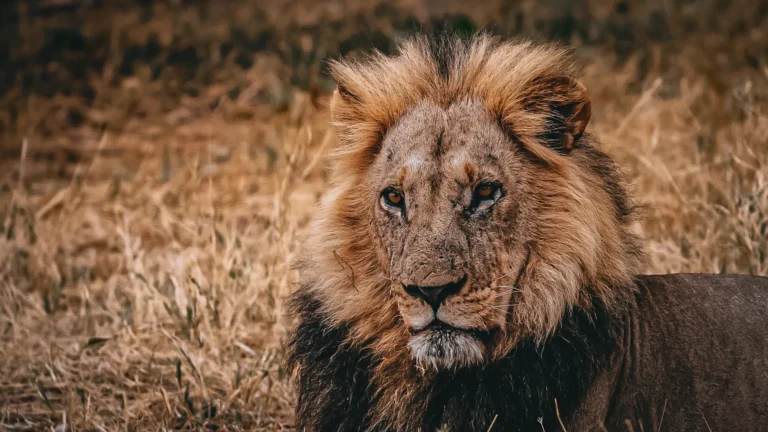
Known as the kings of the savanna, lions are found across many parks in Botswana. Male lions with darker manes tend to be more dominant and attractive to lionesses. The darker the mane, the higher the male lion’s status and attractiveness to lionesses.
The dominant male in a pride is responsible for defending territory and maintaining social hierarchy, while female lions often hunt in coordinated groups. Lions spend much of their day resting or sleeping, sometimes for up to 20 hours, conserving energy for hunting and defending their territory.
Lions are powerful but have a relatively low hunting success rate and are also opportunistic scavengers.
2. Leopards

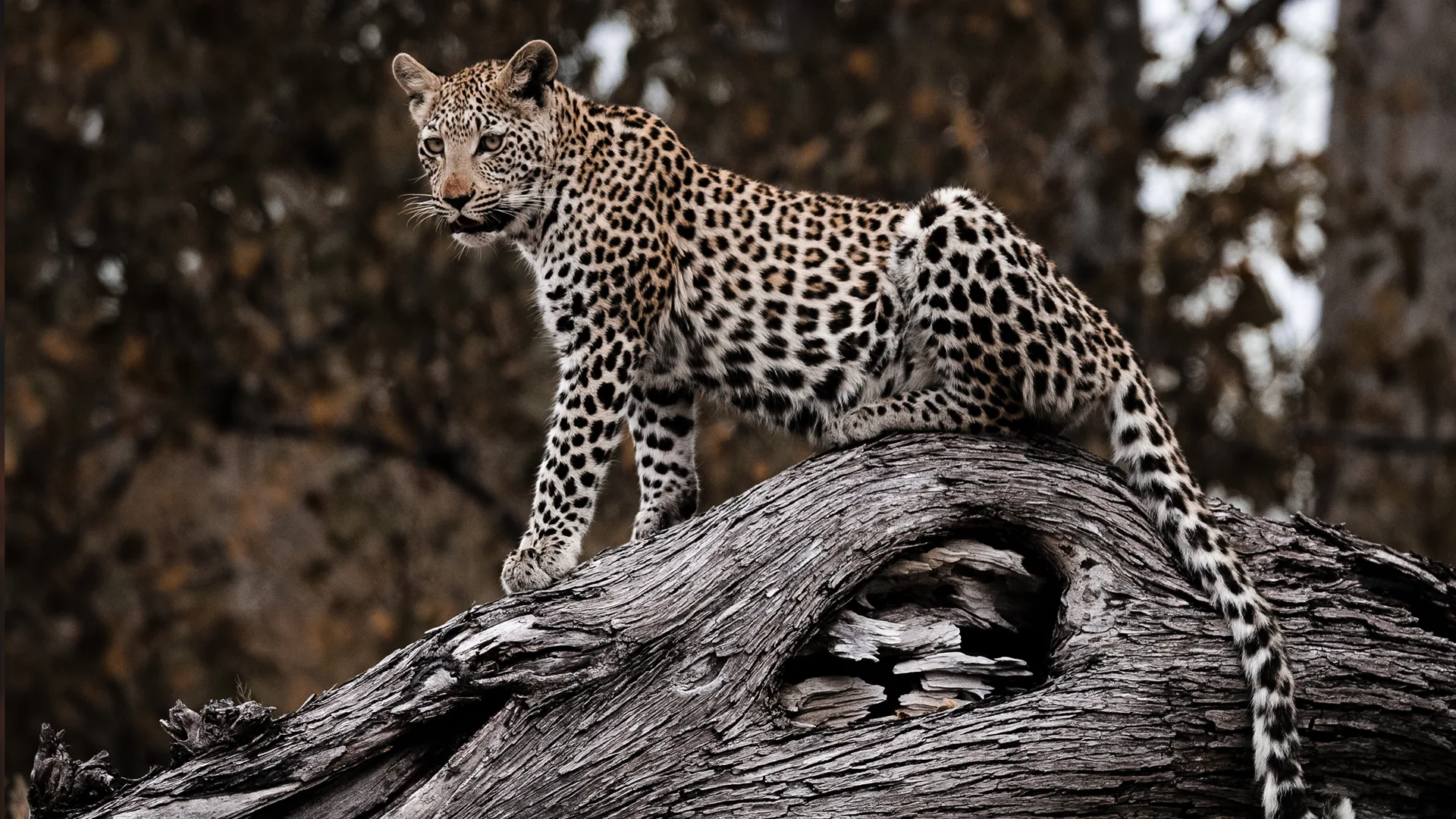
These solitary creatures and elusive cats are master hunters, often dragging their prey into tall trees to protect it from scavengers. Leopards inhabit dense riverine bush and rocky hills, especially in the Okavango Delta and Chobe National Park.
3. Cheetahs

Cheetahs are built for speed, making them the fastest land animals, but they lack stamina for long chases.
The fastest land animals on earth, cheetahs are incredible to watch as they sprint across the open plains of Botswana in pursuit of prey, showcasing their remarkable speed and agility.
Cheetahs are among the most successful hunters in Botswana, efficiently catching prey despite competition from other predators. Cheetahs must eat quickly after a kill to avoid having it stolen by larger predators.
4. Spotted and Brown Hyenas

Known for their intelligence and social behavior, hyenas are both scavengers and skilled hunters. Spotted hyenas are more widespread, while brown hyenas prefer semi-desert areas, each playing a vital role in the ecosystem.
Spotted hyenas actively hunt medium-to-large sized animals and are effective hunters, not just scavengers.
5. African Wild Dogs

Endangered and highly social, female wild dogs often lead hunts. You can find them in Moremi Game Reserve and the Okavango Delta. Botswana has one of the largest populations of wild dogs in the continent, with over 700 individuals remaining. Their unique hunting strategies and bushy white tails make them fascinating to observe.
Wild dogs almost never fail at catching a kill due to their strategic hunting tactics.
6. Nile Crocodiles
Lurking in Botswana’s rivers and lakes, these ancient reptiles are powerful predators, often seen basking near the water’s edge, ready to ambush unsuspecting prey.
Crocodiles can slow their metabolism to such an extent that they are able to survive for long periods without food, making their ambush tactics even more effective.
7. Black-backed Jackal
The black-backed jackal, a medium-sized canid native to eastern and southern Africa, including Botswana, is known for its adaptability and cunning nature.
These animals live in pairs or family groups and have a varied diet that includes prey, fruit, and carrion. Black-backed jackals are skilled hunters and scavengers, often taking advantage of opportunities to feed on leftovers from larger predators.
They have distinctive black facial markings and a black saddle-like patch on their back, which gives them their name. These jackals are commonly found in savannas and woodland habitats, where they play an essential role in the ecosystem as both predators and scavengers.
Fun fact: Black-backed jackals are known to be quite vocal, using a range of calls and howls to communicate with each other and establish territory.
8. Serval Cat
The serval cat is a medium-sized wild cat native to eastern and southern Africa, including Botswana. Known for its distinctive large ears and long legs, the serval is an excellent hunter, preying on rodents, birds, and insects. These are some of the rarest to find on a game drive.
This solitary creature uses its acute hearing to detect prey even in dense grasslands. Servals are often spotted in northern and central Botswana, where they thrive in wetlands and savanna habitats. Their striking spotted coat and agile hunting skills make them a fascinating addition to Botswana’s diverse wildlife.
9. Caracals
These medium-sized wild cats are excellent hunters, characterized by their rounded ears and distinctive black facial markings. Often found in the Kalahari, caracals are elusive but captivating predators to spot.
10 . Fish Eagle
The African Fish Eagle is a majestic bird of prey commonly found near Botswana’s rivers, lakes, and wetlands, including the Okavango Delta and Chobe River.
Known for its striking white head and chest contrasted against a rich brown body, the fish eagle is an iconic symbol of African wildlife. This bird is a skilled hunter, swooping down to snatch fish from the water with its powerful talons.
Its distinctive, haunting call is often heard echoing across the waterways, adding to the wild ambiance of Botswana’s natural landscapes. Observing the African Fish Eagle in action is a memorable experience that complements any safari adventure in Botswana.
Dangerous Animals
While you’re enjoying the thrill of wildlife viewing, it’s important to remember that Botswana is home to many dangerous wild animals. Many of Botswana’s wild animals, including the Big Five and other hazardous species, can pose serious threats.

Hippos, elephants, and buffalo are known for their aggressive behavior when provoked or protecting their young. Always follow your guide’s instructions and keep a safe distance.
Conservation Efforts
Botswana is a leader in wildlife conservation, dedicating over 17% of its land to national parks and game reserves. The International Union for the Conservation of Nature lists around 20 of Botswana’s mammals as endangered.
In fact, 40% of Botswana is protected under the Wildlife Conservation and National Parks Act. These efforts have helped protect endangered species, such as the African wild dog and the black rhinoceros, ensuring that future generations can also experience these magnificent creatures. However, poaching for rhino horns remains a significant threat to rhino populations, as the high value of rhino horns drives illegal hunting despite ongoing protection efforts.
Community-based conservation initiatives also involve local people, providing economic benefits through tourism and fostering a culture of wildlife protection.
Conservation efforts in Botswana have successfully relocated rhinos from South Africa to protect them from poaching. Wildlife management areas and forest reserves make up the remaining area of Botswana’s protected regions.
Trackers monitor the movement of endangered and rare animal species in Botswana to protect them against poaching.
Safari Activities
To make the most of your Botswana safari, consider a mix of activities:
- Game Drives: Explore the wilderness in a 4×4 vehicle, perfect for spotting predators and other wildlife.
- Walking Safaris: Experience nature up close and learn about animal tracks and behaviors on foot, guided by experienced rangers.
- Boat Tours: Cruise the waterways of the Okavango Delta or the Chobe River, observing aquatic animals such as hippos and crocodiles.
- Birdwatching: Botswana’s diverse birdlife offers fantastic opportunities for bird enthusiasts.
These activities are designed to provide you with an unforgettable experience while promoting responsible tourism.
Conclusion
Your safari in Botswana will be a journey into one of the world’s most spectacular wildlife destinations.
From the top predators stalking the plains to the gentle giants roaming the rivers, Botswana offers a chance to witness nature’s drama in an incredible setting. With strong conservation efforts and diverse safari experiences, your adventure will be both thrilling and meaningful.
Pack your camera, prepare for awe-inspiring encounters, and get ready to explore the wild heart of Africa.
Frequently Asked Questions
What is the best time to see predators in Botswana?
The dry winter months from May to October are the best time for predator sightings. During the rainy season, animal movement patterns change as some species migrate to different areas, such as zebras moving to Makgadikgadi Game Reserve, Chobe National Park, Savute, and the Okavango Delta. During this period, animals gather around water sources, making them easier to spot on game drives. This season is also considered the best time to visit Botswana for wildlife viewing overall. Top predators in Botswana include lions, hyenas, and wild dogs with unique hunting strategies.
Are wild dogs easy to spot in Botswana?
Wild dog sightings can be rare due to their endangered status and wide-ranging behavior. However, Moremi Game Reserve and the Okavango Delta offer the best chances to see these social and fascinating hunters. The African wild dog is listed as endangered by the International Union for the Conservation of Nature.
How dangerous are hippos in Botswana?
Hippos are highly territorial and can be very dangerous, especially if you get too close to them in the water or near their young. It’s essential to maintain a safe distance and follow your guide’s advice.
Can you see all the Big 5 predators in Botswana?
Yes, Botswana is one of the best places to see all the Big 5 predators: lion, leopard, elephant, buffalo, and rhinoceros, thanks to its extensive protected areas and conservation efforts.
What safari activities are recommended for predator viewing?
Game drives are the most popular for spotting predators. Walking safaris and boat tours offer unique perspectives, particularly in areas such as the Okavango Delta and Chobe National Park.