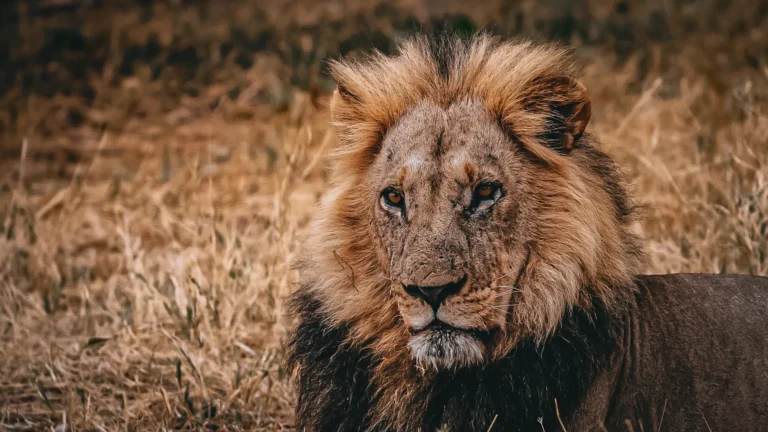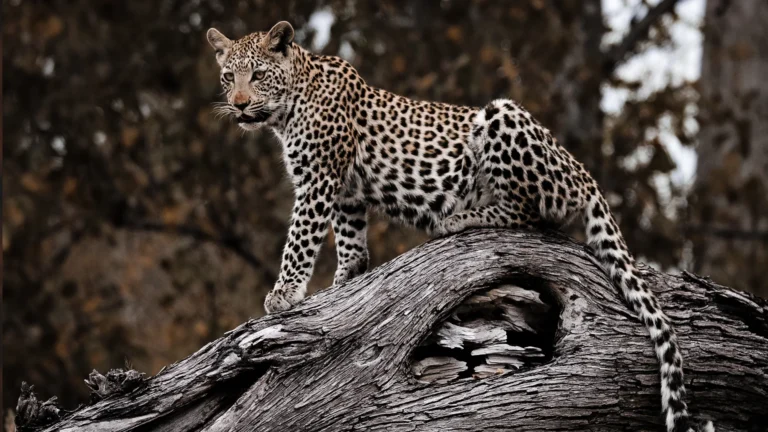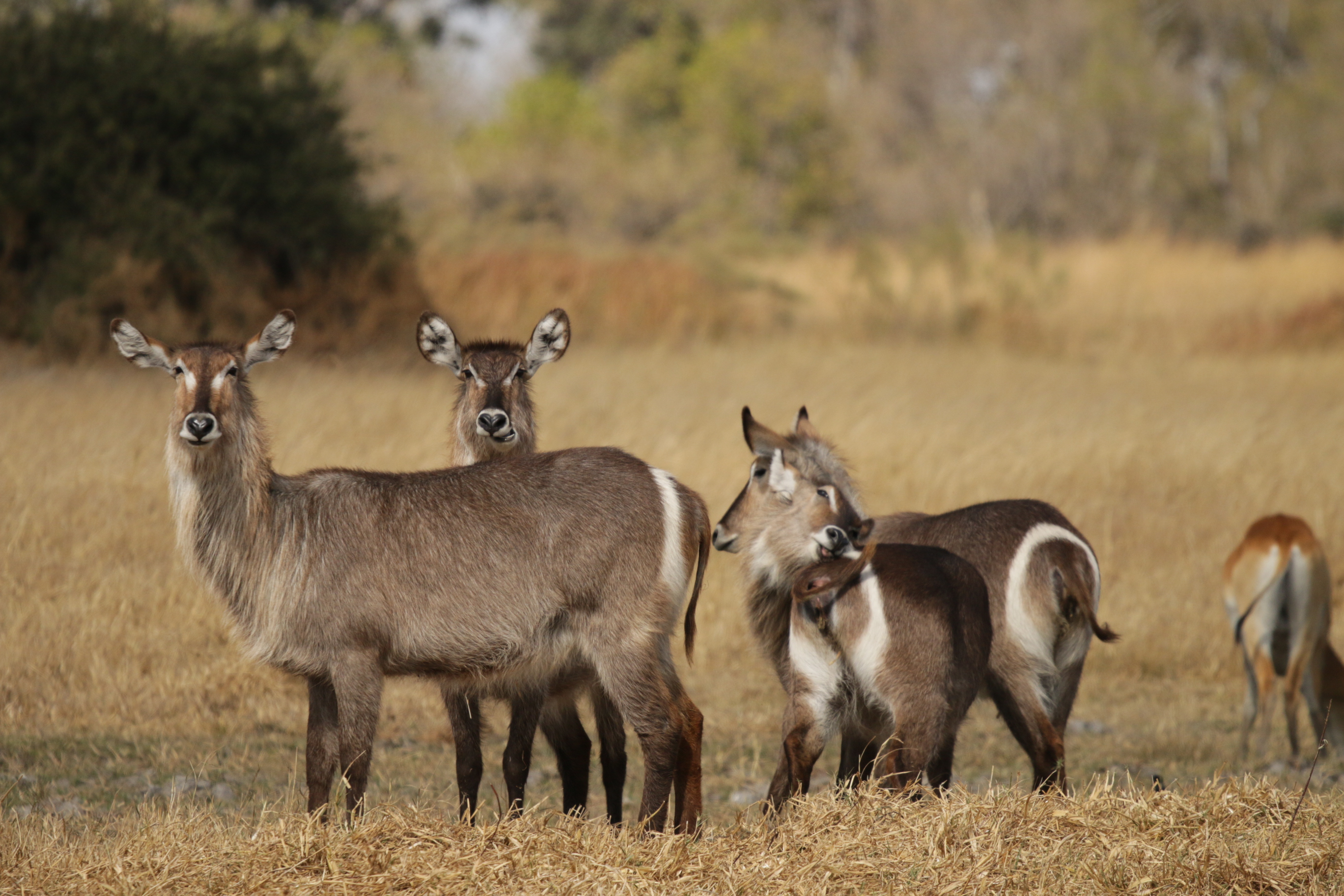


Whether you’re an aspiring wildlife photographer or looking to enhance your skills, this blog offers invaluable insights, practical tips, and expert advice to help you create stunning wildlife photos.
From selecting the right photography equipment and mastering camera settings to understanding animal behavior and ethical practices, we cover all that you need to embark on a successful wildlife photography journey.
Dive in and discover how to bring the wild closer through your lens with creativity, respect, and skill.
What is Wildlife Photography?
Wildlife photography is a captivating and rewarding genre that combines artistry with patience, skill, and an intimate understanding of animal behavior. It offers photographers the unique opportunity to document the beauty and diversity of wild animals in their natural habitats, capturing moments that tell stories of survival, interaction, and nature’s splendor.

Successful wildlife photographers not only wield their cameras with expertise but also develop a keen sense of anticipation and respect for their subjects, allowing them to capture authentic and stunning wildlife photos.
Understanding the habitat and behavior of wild animals is fundamental to wildlife photography. Each species has unique patterns, habits, and environments, and learning these details increases the chances of being at the right place at the right time. Whether it’s the stealthy approach of a predator, the playful antics of lion cubs, or the migratory patterns of birds, knowing what to expect helps in preparing for the perfect shot.
Photographing wildlife in their natural habitat also fosters a deeper appreciation for these amazing creatures and the ecosystems they inhabit. It encourages conservation awareness and reminds us of the importance of preserving the natural world for future generations.
Choosing the Right Photography Equipment
The right photography equipment is essential for capturing high-quality wildlife images, especially since many animals are shy or dangerous and require shooting from a distance. Telephoto lenses are a cornerstone of a wildlife photographer’s gear, allowing close-up shots without disturbing the animals.
These lenses come in various focal lengths, and selecting the appropriate lens depends on the species being photographed and the shooting environment. For example, longer focal lengths are necessary for small or skittish animals, such as birds, while shorter telephoto lenses may suffice for larger mammals in national parks.
Camera manufacturers offer a diverse range of lenses tailored to different photography needs, including telephoto lenses for distant subjects, macro lenses for detailed close-ups of insects and small creatures, and wide-angle lenses for capturing animals within their environment. Having a variety of lens choices gives photographers flexibility to adapt to different situations and creative visions.

A durable and well-organized camera bag is indispensable for carrying and protecting equipment, especially when working in remote places with challenging terrain. It should provide easy access to gear and safeguard it from weather and rough handling.
Investing in a sturdy tripod and a high-quality tripod head is highly recommended to minimize camera movement and improve image sharpness. A gimbal head is often preferred for supporting heavy telephoto lenses, as it allows smooth tracking of moving animals with minimal effort.
Essential Camera Settings for Shooting Wildlife
Capturing sharp and compelling wildlife photos requires mastery of camera settings tailored to fast-moving subjects and variable lighting conditions.
A fast shutter speed is crucial to freeze motion, especially when shooting animals in action or birds in flight. For telephoto lenses, shutter speeds of 1/1000th of a second or faster are often necessary to avoid motion blur caused by camera shake or subject movement.
Aperture controls the depth of field and plays a vital role in isolating the subject from the background. Using a wide aperture (small f-number) creates a shallow depth of field, which blurs the background and emphasizes the animal. However, for larger animals or groups, a narrower aperture may be needed to keep the entire subject in focus.
ISO settings should be adjusted according to available light to maintain image quality while minimizing noise. Modern cameras perform well at higher ISOs, enabling photographers to maintain fast shutter speeds in low-light conditions.
Familiarity with camera modes, such as burst mode or continuous shooting, enables photographers to capture multiple frames in quick succession, thereby increasing the likelihood of capturing the perfect shot during unpredictable wildlife behavior.
Composition and Technique
Composition is a critical element in creating visually striking wildlife photos. Effective use of leading lines, framing, symmetry, and negative space helps guide the viewer’s eye and enhances the storytelling aspect of the image.
Photographing animals in their natural habitat requires understanding their behavior and movement patterns, allowing photographers to anticipate moments worth capturing. For instance, knowing when a predator is about to pounce or when birds take flight enables better timing and positioning.
Using a wide-angle lens can provide context by including the surrounding environment, telling a fuller story about the animal’s life and habitat. This approach contrasts with tight telephoto shots that focus solely on the subject.
Lighting is another key factor. Natural light, especially during the golden hours of early morning and late afternoon, adds warmth and depth to wildlife photos. Paying attention to the direction and quality of light can dramatically enhance mood and atmosphere.
Working with Light
Natural light is the lifeblood of wildlife photography. The soft, warm glow of the golden hour—the period shortly after sunrise or before sunset provides ideal lighting conditions that bring out textures and colors beautifully.
Wildlife photographers must learn to work with various lighting conditions, including overcast skies that offer diffused light and backlighting that can create dramatic silhouettes or rim lighting effects. Understanding how to balance exposure in these scenarios is essential.
Using fill flash or reflectors can help reduce harsh shadows, especially when photographing animals with dark fur or feathers. Off camera flash techniques offer more control and natural-looking illumination without startling the animals.
Being aware of the sun’s position and the intensity of light helps in composing images with depth and dimension, avoiding flat or overly harsh lighting.
Photographing in Different Environments
Wildlife photography opportunities vary greatly depending on the environment. National parks and wildlife reserves are popular locations where animals live in protected natural habitats, offering diverse subjects and landscapes.
Photographing in different environments, such as dense forests, open grasslands, wetlands, or marine ecosystems, presents unique challenges and opportunities. Each setting requires adapting techniques and equipment to suit the conditions.
For example, Costa Rica is a biodiversity hotspot, making it an ideal destination for photographing exotic birds, monkeys, and reptiles in its lush rainforests. Marine life photography demands specialized gear and techniques for underwater shooting.
Being prepared for varying weather conditions, terrain, and lighting is crucial for maximizing shooting opportunities and ensuring safety.
Safety and Ethics
Safety is paramount in wildlife photography. Photographers must take necessary precautions to avoid disturbing or harming animals and to protect themselves from potential dangers.
Respecting animals’ space and behavior is essential for capturing authentic and responsible wildlife photos. Approaching too closely or provoking animals can cause stress or aggressive reactions.
Supporting conservation efforts and responsible wildlife tourism helps protect habitats and species, ensuring their survival for future generations.
Photographers should be mindful of their environmental impact, minimizing disturbance and adhering to ethical guidelines.
Advanced Techniques
Advanced wildlife photography techniques can elevate images and offer fresh perspectives. Using remote cameras or camera traps allows for capturing elusive or nocturnal animals without human presence.
Macro photography reveals intricate details of insects, flowers, and other small subjects, adding a new dimension to wildlife imagery.
Experimenting with creative techniques, such as panning, intentional camera movement, or motion blur, can produce dynamic and artistic photos that convey motion and energy.
Post-processing and editing enhance images by adjusting exposure, color, and clarity, but should be done responsibly to maintain the integrity of the original scene.
Post-Processing and Editing
Post-processing is an important step in wildlife photography. Software like Adobe Lightroom and Photoshop enables photographers to fine-tune exposure, contrast, and color balance, remove distractions, and reduce noise.
It is essential to avoid over-editing to maintain the natural and authentic appearance of images, preserving the original scene’s integrity.
Participating in monthly photo critiques and workshops provides valuable feedback and opportunities for skill improvement.
Wildlife Photography Workshops and Tours
Participating in wildlife photography workshops or tours provides a unique learning experience. These guided trips offer access to remote locations and provide opportunities to spot elusive animals, accompanied by expert instruction.
Workshops facilitate networking with fellow photographers, knowledge sharing, and skill development.
Tours often focus on safety and responsible photography practices, enhancing both the experience and results.
Building a Portfolio
A strong portfolio showcases a wildlife photographer’s best work, demonstrating versatility and style.
Including a mix of portraits, landscapes, and action shots reflects a well-rounded skill set.
Online platforms and social media enable photographers to share their work, connect with their audience, and attract clients.
Entering photography competitions and exhibitions can provide recognition and valuable feedback.
Top Wildlife Photography Destinations in Botswana
Botswana is a premier destination for wildlife photography, known for its rich biodiversity and pristine natural habitats. The country’s commitment to conservation ensures animals live undisturbed in vast wilderness areas, offering photographers unparalleled opportunities.
Okavango Delta
The Okavango Delta is a sprawling inland delta characterized by its extensive waterways and lush vegetation, which attract a diverse array of wildlife, including elephants, lions, hippos, crocodiles, and a wide range of bird species. Exploring the delta by traditional mokoro canoe allows quiet, close encounters with wildlife in their natural habitat.
Chobe National Park
Famous for large herds of elephants and diverse wildlife, Chobe National Park’s riverfront areas provide excellent opportunities for photographing buffalo, lions, leopards, and numerous bird species. Boat safaris along the Chobe River offer unique perspectives with beautiful water and sunset backdrops.
Moremi Game Reserve
Located within the Okavango Delta, the Moremi Game Reserve features woodlands, floodplains, and lagoons that support big cats, including leopards and cheetahs, as well as wild dogs and a diverse array of bird species. The diverse landscapes allow for creative compositions that blend wildlife with scenic environments.
Makgadikgadi Pans National Park
Known for vast salt pans and seasonal wildlife events, Makgadikgadi Pans transforms during the wet season into temporary lakes, attracting flamingos and waterbirds. The park is also home to meerkats and other small mammals, offering intimate opportunities for wildlife portraits.
Nxai Pan National Park
Adjacent to Makgadikgadi, Nxai Pan National Park features open savannah and striking baobab trees. It’s ideal for capturing large herds of zebras and springbok during seasonal migrations, with wide-open spaces and dramatic skies that are perfect for landscape and wildlife photography.
Tips for Photographing Wildlife in Botswana

Plan visits during the dry season (May to October)
Animals gather around water sources during this time, making them easier to find and photograph. The dry season not only concentrates wildlife near rivers and watering holes but also offers clearer skies, less humidity, and more predictable weather, which is ideal for photography. These conditions reduce the chances of rain interfering with your shoot and provide better lighting throughout the day.
Additionally, the sparse vegetation during the dry season improves visibility, allowing photographers to spot and track animals more easily. Planning your trips during this period increases the likelihood of capturing diverse species engaging in natural behaviors, such as drinking, hunting, or socializing, resulting in more dynamic and engaging wildlife photos.
Use telephoto lenses with good maximum apertures
Lenses with wide apertures such as f/2.8 or f/4 allow more light to enter, enabling faster shutter speeds that freeze movement and reduce camera shake, especially when shooting in the early morning or late afternoon when light levels are lower.
A wider maximum aperture also helps achieve a shallow depth of field, which isolates the subject from distracting backgrounds and creates pleasing bokeh, enhancing the overall composition.
When selecting telephoto lenses, consider the focal length needed for your target species; longer focal lengths (400mm and above) are essential for photographing shy or small animals from a safe distance. Investing in high-quality lenses with image stabilization features further improves image sharpness by compensating for camera movement during handheld shooting.
Take advantage of natural light during early mornings and late afternoons
The golden hours provide soft, warm light that enhances the texture and colors of animals and their environment, creating more visually appealing and dynamic images.
During these times, the low angle of the sun produces long shadows and highlights that add depth and dimension to your photos. Shooting during early morning or late afternoon also helps avoid the harsh midday sun, which can cause overexposed highlights and unflattering shadows on your subjects.
Additionally, wildlife tends to be more active during these cooler periods, increasing the chances of capturing interesting behaviors.
To maximize the benefits of natural light, position yourself so that the sun illuminates your subject from the side or back, creating rim lighting effects that emphasize shapes and details.
Respect wildlife and maintain safe distances for ethical photography
Always observe animals without disturbing their natural behavior, use appropriate lens focal lengths to avoid intrusion, and follow local guidelines to ensure both your safety and the welfare of the animals.
Approaching too closely can cause stress or alter animal behavior, compromising the authenticity of your photos and potentially endangering both you and the wildlife. Use binoculars or spotting scopes to scout subjects from a distance before setting up your camera.
When possible, use hides or blinds to minimize your presence and allow animals to behave naturally. Remember that ethical wildlife photography supports conservation efforts by promoting respect for nature and discouraging harmful practices such as baiting or habitat destruction.
Prioritize patience and observation, letting animals come into your frame on their own terms to capture genuine moments.
Staying Inspired and Motivated
Continuously challenging oneself with new techniques and subjects helps maintain inspiration in wildlife photography.
Joining online communities and forums facilitates knowledge exchange and support among photographers.
Attending workshops and conferences keeps photographers updated on the latest techniques and technologies.
Setting goals and deadlines fosters focus, motivation, and a sense of accomplishment.
Overcoming Challenges in Wildlife Photography
Wildlife photography involves challenges such as unpredictable weather, remote locations, and elusive subjects.
Preparation, flexibility, and the right equipment help overcome obstacles and improve success rates.
Patience and a positive attitude are essential for enduring setbacks and staying motivated.
The Importance of Conservation
Wildlife photography plays a vital role in conservation by raising awareness and promoting protection of animals and habitats.
Supporting conservation organizations and responsible tourism helps ensure the survival of endangered species.
Being mindful of human impact encourages sustainable practices.
Together, wildlife photographers contribute to preserving the natural world’s beauty for future generations.
Frequently Asked Questions (FAQ) about Wildlife Photography
What is wildlife photography?
Wildlife photography is a genre of photography focused on capturing images of wild animals in their natural habitats. It requires both technical photography skills and knowledge of animal behavior to capture compelling and authentic moments.
What equipment do I need for wildlife photography?
Essential equipment includes a camera with fast autofocus, telephoto lenses for distant subjects, a sturdy tripod or monopod for stability, and a protective camera bag. Additional gear may include macro lenses for close-ups, flash units for low light, and weather-resistant clothing.
How can I improve my wildlife photography skills?
Improving skills involves practicing patience, learning about animal behavior, mastering camera settings like shutter speed and aperture, and understanding composition techniques. Participating in workshops, monthly photo critiques, and studying the work of experienced nature photographers can also help.
What camera settings are best for photographing wildlife?
A fast shutter speed (often 1/1000th of a second or faster) is important to freeze motion. Aperture should be adjusted to control depth of field—wider apertures for subject isolation, narrower for groups. ISO should be balanced for image quality in available light. Burst mode helps capture decisive moments.
How do I approach wild animals safely and ethically?
Maintain a respectful distance to avoid disturbing animals. Use telephoto lenses to photograph from afar. Avoid baiting or provoking wildlife. Always follow local guidelines and prioritize the safety of both the photographer and the animals.
Can I photograph wildlife in any environment?
Yes, wildlife photography can be done in diverse environments such as forests, grasslands, wetlands, and marine areas. Each environment presents unique challenges and opportunities, requiring adaptation of techniques and equipment.
What is the difference between wildlife photography and bird photography?
Bird photography is a specialized subset of wildlife photography focused specifically on birds. It often requires longer telephoto lenses due to the smaller size and flighty nature of birds, as well as knowledge of bird behavior and habitats.
How important is post-processing in wildlife photography?
Post-processing helps enhance image quality by adjusting exposure, contrast, and color balance, and removing distractions. However, it should be done responsibly to maintain the natural look and integrity of the wildlife scene.
Are there specific locations recommended for wildlife photography?
Yes, national parks, wildlife reserves, and biodiversity hotspots like Botswana, Costa Rica, and the Okavango Delta are popular for wildlife photography. These locations offer rich opportunities to photograph diverse species in their natural habitats.
What should I consider when choosing lenses for wildlife photography?
Consider focal length, maximum aperture, and lens weight. Telephoto lenses with focal lengths of 400mm or more are common for distant or small subjects. Faster lenses with larger maximum apertures perform better in low light and provide shallower depth of field for subject isolation.